
Bagoong Nutrition Facts: Calories, Macros & Health Benefits
Summary: 100g of bagoong contains 150 calories, 20g protein, 6g carbs, and 3g fat. Bagoong is a good source of sodium.
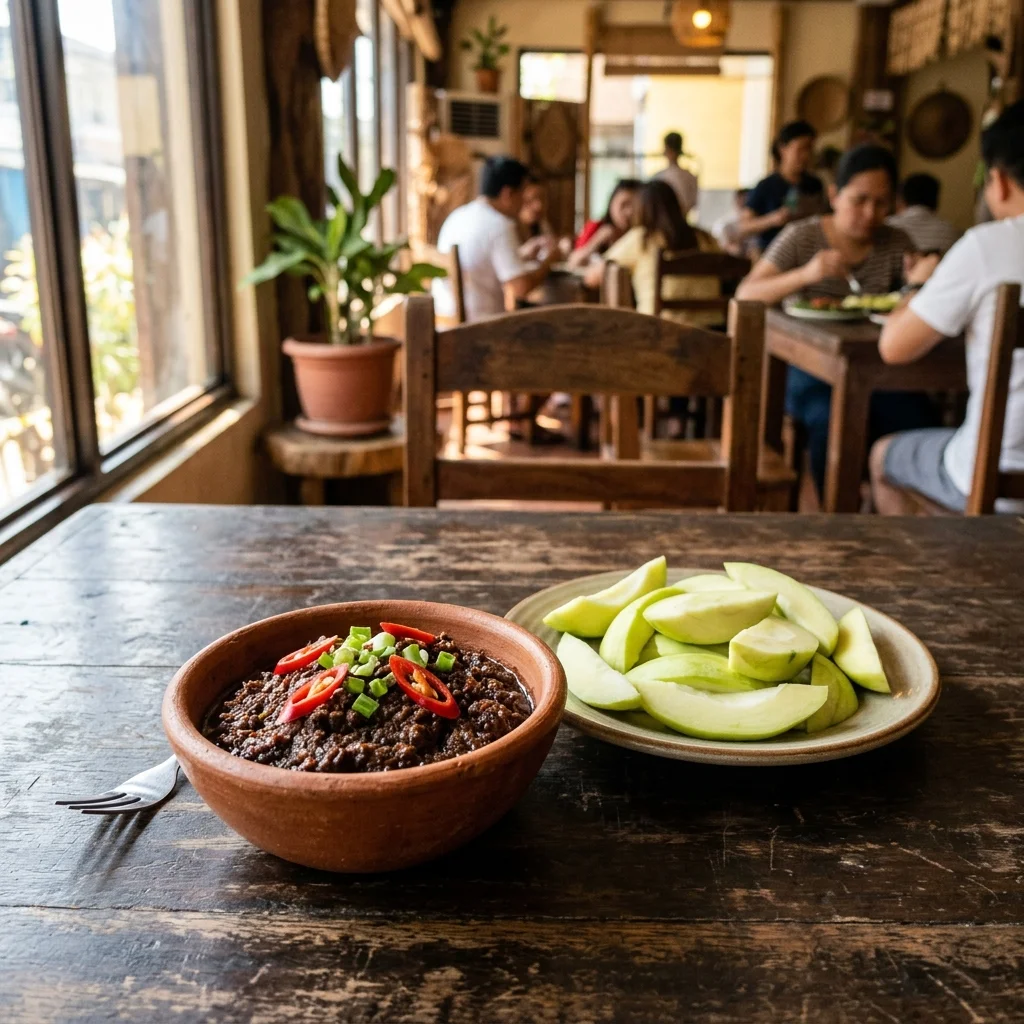
Nutrition Facts — per 100g
| Nutrient | Amount | % Daily Value |
|---|---|---|
| Calories | 150 kcal | 8% |
| Protein | 20.0g | 40% |
| Carbohydrates | 6.0g | 2% |
| Total Fat | 3.0g | 4% |
| Sodium | 8000.0mg | 348% |
Is Bagoong Good for You?
Bagoong is a nutrient-dense condiment that provides exceptional protein content at 20g per 100g (40% Daily Value), making it beneficial for muscle maintenance and repair. However, it is extremely high in sodium at 8000mg per 100g (348% Daily Value), which may be a concern for those monitoring salt intake. When used as a flavoring agent in moderation, it can support protein intake while fitting into a balanced diet.
Key Health Benefits of Bagoong
High in Protein: With 20g of protein per 100g serving, bagoong is an excellent source for muscle building and tissue repair. This makes it particularly valuable for those following high-protein diets or looking to increase their protein intake through traditional Filipino cuisine.
Low in Calories: At just 150 calories per 100g (8% Daily Value), bagoong is a calorie-efficient way to add flavor and nutritional density to meals. A small amount goes a long way, so typical serving sizes contribute minimal calories to your daily intake.
Minimal Fat Content: Bagoong contains only 3g of total fat per 100g (4% Daily Value), making it a lean protein option. This low-fat profile makes it suitable for those following heart-conscious eating patterns or fat-restricted diets.
Low Carbohydrate: With just 6g of carbohydrates per 100g (2% Daily Value), bagoong is an excellent choice for low-carb and ketogenic diets. Its negligible carb contribution means it won’t significantly impact blood sugar levels.
Umami-Rich Seasoning: Bagoong delivers savory depth that reduces the need for added salt in recipes, potentially helping you control sodium intake when used strategically in cooking.
How Does Bagoong Compare?
Bagoong stands out compared to other fermented fish products like anchovy paste because of its superior protein concentration at 20g per 100g. While similar fermented condiments share high sodium levels, bagoong delivers more protein per serving while maintaining comparable calorie and fat profiles. This makes it a nutritionally advantageous choice for those seeking maximum protein from a small flavor-forward portion.
Frequently Asked Questions
How many calories is in bagoong?
Bagoong contains 150 calories per 100g serving. Since bagoong is typically used as a condiment in small amounts, a standard tablespoon (approximately 15g) would provide only about 23 calories, making it minimal in caloric contribution to most meals.
Is bagoong good for weight loss?
Yes, bagoong can support weight loss efforts due to its low calorie density and high protein content. The 20g of protein per 100g helps promote satiety, and since small amounts are used for flavoring, it adds minimal calories while keeping you satisfied longer.
How much sodium does bagoong contain?
Bagoong is very high in sodium, containing 8000mg per 100g (348% of the Daily Value). This extremely high sodium content means it should be used sparingly, especially by those managing hypertension or following a low-sodium diet.
Is bagoong keto-friendly?
Yes, bagoong is very keto-friendly with only 6g of carbohydrates per 100g and strong protein content. Since it’s used in small quantities as a flavoring agent, it fits easily into ketogenic macros while adding authentic taste to low-carb meals.
How should I store bagoong after opening?
Bagoong should be stored in an airtight container in the refrigerator after opening to maintain freshness and prevent odor from spreading. When properly sealed and refrigerated, it typically remains shelf-stable for several months due to its high salt content acting as a natural preservative.
How to Track Bagoong Nutrition with Gram
The Gram app makes logging bagoong effortless by allowing you to scan the product with your phone’s camera using AI food recognition, instantly pulling up complete nutritional data including its notable 20g protein and 8000mg sodium per 100g. After scanning, you can log specific portions and watch your daily nutrient totals update in real-time, helping you stay aware of sodium intake while maximizing protein. This takes the guesswork out of tracking traditional Filipino ingredients and other specialty condiments that might otherwise be missing from standard nutrition databases.
Frequently Asked Questions
How many calories is in bagoong?
Bagoong contains 150 calories per 100g serving. Since bagoong is typically used as a condiment in small amounts, a standard tablespoon (approximately 15g) would provide only about 23 calories, making it minimal in caloric contribution to most meals.
Is bagoong good for weight loss?
Yes, bagoong can support weight loss efforts due to its low calorie density and high protein content. The 20g of protein per 100g helps promote satiety, and since small amounts are used for flavoring, it adds minimal calories while keeping you satisfied longer.
How much sodium does bagoong contain?
Bagoong is very high in sodium, containing 8000mg per 100g (348% of the Daily Value). This extremely high sodium content means it should be used sparingly, especially by those managing hypertension or following a low-sodium diet.
Is bagoong keto-friendly?
Yes, bagoong is very keto-friendly with only 6g of carbohydrates per 100g and strong protein content. Since it's used in small quantities as a flavoring agent, it fits easily into ketogenic macros while adding authentic taste to low-carb meals.
How should I store bagoong after opening?
Bagoong should be stored in an airtight container in the refrigerator after opening to maintain freshness and prevent odor from spreading. When properly sealed and refrigerated, it typically remains shelf-stable for several months due to its high salt content acting as a natural preservative.

Track your nutrition with Gram
Snap a photo of your meal and let AI do the rest. Track calories, macros, and micronutrients effortlessly.
Nutrition data sourced from USDA FoodData Central. Track bagoong and thousands of other foods with the Gram app.