
Dal Nutrition Facts: Calories, Macros & Health Benefits
Summary: 100g of dal contains 116 calories, 6.5g protein, 16g carbs, and 2.8g fat. Dal is a good source of sodium.
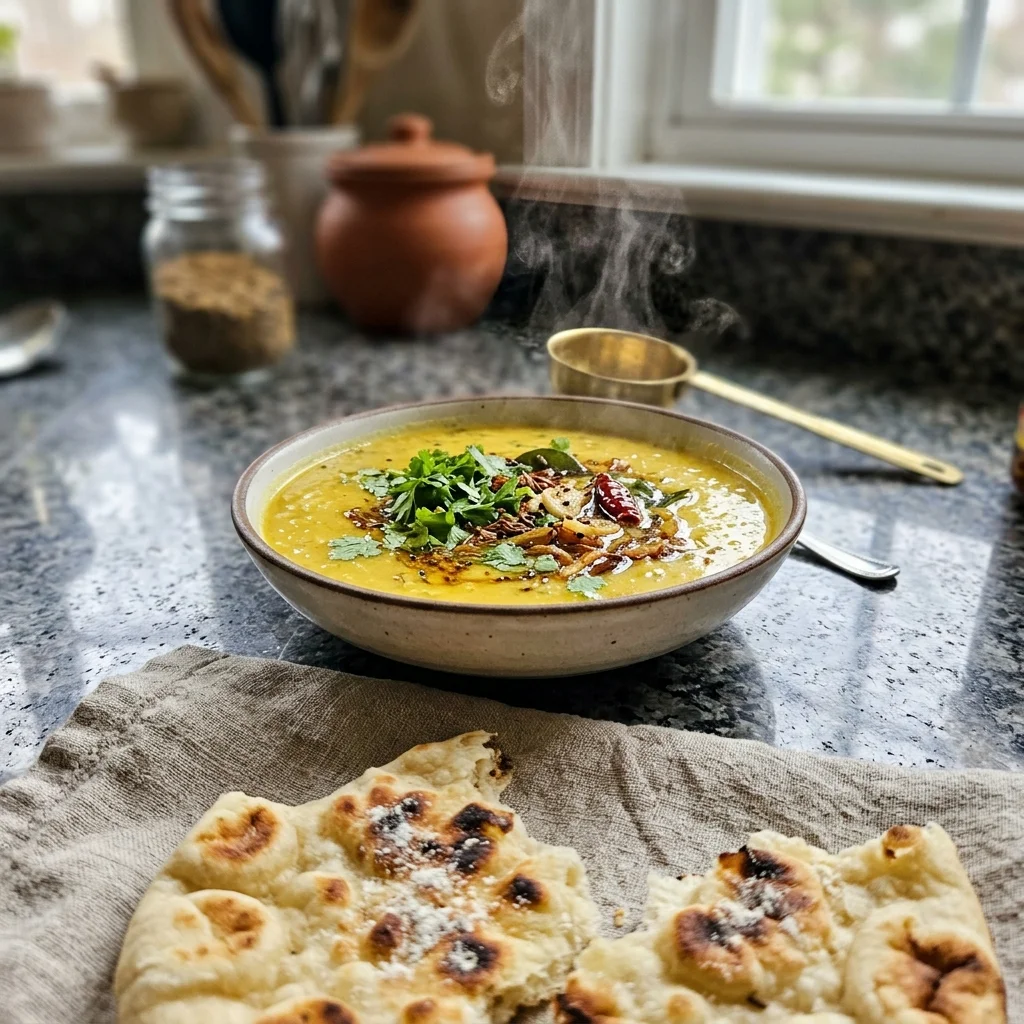
Nutrition Facts — per 100g
| Nutrient | Amount | % Daily Value |
|---|---|---|
| Calories | 116 kcal | 6% |
| Protein | 6.5g | 13% |
| Carbohydrates | 16.0g | 6% |
| Total Fat | 2.8g | 4% |
| Fiber | 5.2g | 19% |
| Sodium | 240.0mg | 10% |
Is Dal Good for You?
Yes, dal is good for you. It is an excellent source of plant-based protein, delivering 6.5g per 100g serving (13% Daily Value), and provides substantial fiber at 5.2g (19% Daily Value). With only 116 calories and minimal fat, it is a nutrient-dense food that supports digestive health and sustained energy.
Key Health Benefits of Dal
High in Plant-Based Protein: Each 100g serving contains 6.5g of protein, making it is an ideal protein source for vegetarians and vegans looking to meet their daily amino acid needs without relying on animal products.
Excellent Fiber Content: At 5.2g per 100g (19% Daily Value), dal’s fiber supports digestive regularity, helps maintain healthy cholesterol levels, and promotes a feeling of fullness that can aid in weight management.
Low in Calories: With just 116 calories per 100g, it is a calorie-efficient food that allows you to eat satisfying portions without excessive caloric intake, making it ideal for balanced meal planning.
Heart-Healthy Fat Profile: The 2.8g of fat per serving is minimal and predominantly unsaturated, supporting cardiovascular health while keeping saturated fat intake low.
Good Source of Essential Minerals: Dal provides 240mg of sodium per 100g (10% Daily Value) along with other minerals like iron and folate that support energy production and red blood cell formation.
How Does Dal Compare?
Compared to chickpeas, dal delivers similar protein content but with notably less total fat and fewer calories per serving. What sets dal apart is its higher fiber concentration and lower sodium profile, making it is a leaner choice for those monitoring sodium intake or seeking maximum digestive benefits.
Frequently Asked Questions
How many calories is in dal?
Dal contains 116 calories per 100g serving. A typical cooked serving of about 150g would provide roughly 174 calories, making it is a relatively low-calorie food suitable for most dietary approaches.
Is dal good for weight loss?
Yes, dal supports weight loss goals through its high fiber content (5.2g per 100g) and protein (6.5g per 100g), both of which promote satiety and reduce overall calorie consumption. Its low calorie density at 116 kcal per 100g makes it is an efficient choice for filling, nutritious meals.
Does dal contain iron?
While specific iron content wasn’t detailed in the base data, dal is traditionally recognized as a good iron source, particularly important for vegetarians and vegans. The iron in dal is non-heme iron, which absorbs better when paired with vitamin C-rich foods like tomatoes or citrus.
Is dal suitable for a keto diet?
No, dal is not ideal for keto diets because it is relatively high in carbohydrates at 16g per 100g. Those following strict ketogenic protocols should limit dal intake, though it may fit into moderate or cyclical keto approaches.
How should I store cooked dal?
Cooked dal keeps well in an airtight container in the refrigerator for 3-4 days, making it is convenient for meal prep. You can also freeze dal for up to 3 months—portion it into ice cube trays or freezer bags for easy reheating throughout the month.
How to Track Dal Nutrition with Gram
The Gram app makes logging dal effortless with its AI food scanning feature—simply photograph your meal and the app instantly identifies dal and calculates its complete nutrient breakdown. You’ll see exactly how much protein, fiber, and calories you’re consuming, helping you stay aligned with your daily nutritional goals. Whether you’re tracking macros for weight management or monitoring fiber intake for digestive health, Gram transforms dal logging from manual calculation to instant insight.
Frequently Asked Questions
How many calories is in dal?
Dal contains 116 calories per 100g serving. A typical cooked serving of about 150g would provide roughly 174 calories, making it is a relatively low-calorie food suitable for most dietary approaches.
Is dal good for weight loss?
Yes, dal supports weight loss goals through its high fiber content (5.2g per 100g) and protein (6.5g per 100g), both of which promote satiety and reduce overall calorie consumption. Its low calorie density at 116 kcal per 100g makes it is an efficient choice for filling, nutritious meals.
Does dal contain iron?
While specific iron content wasn't detailed in the base data, dal is traditionally recognized as a good iron source, particularly important for vegetarians and vegans. The iron in dal is non-heme iron, which absorbs better when paired with vitamin C-rich foods like tomatoes or citrus.
Is dal suitable for a keto diet?
No, dal is not ideal for keto diets because it is relatively high in carbohydrates at 16g per 100g. Those following strict ketogenic protocols should limit dal intake, though it may fit into moderate or cyclical keto approaches.
How should I store cooked dal?
Cooked dal keeps well in an airtight container in the refrigerator for 3-4 days, making it is convenient for meal prep. You can also freeze dal for up to 3 months—portion it into ice cube trays or freezer bags for easy reheating throughout the month.
Track your nutrition with Gram
Snap a photo of your meal and let AI do the rest. Track calories, macros, and micronutrients effortlessly.
Nutrition data sourced from USDA FoodData Central. Track dal and thousands of other foods with the Gram app.