Dill Seed Nutrition Facts: Calories, Macros & Health Benefits
Summary: One half teaspoon (1g) of dill seed contains 3 calories, 0.2g protein, 0.6g carbs, and 0.1g fat. Dill Seed is a good source of essential vitamins and minerals.
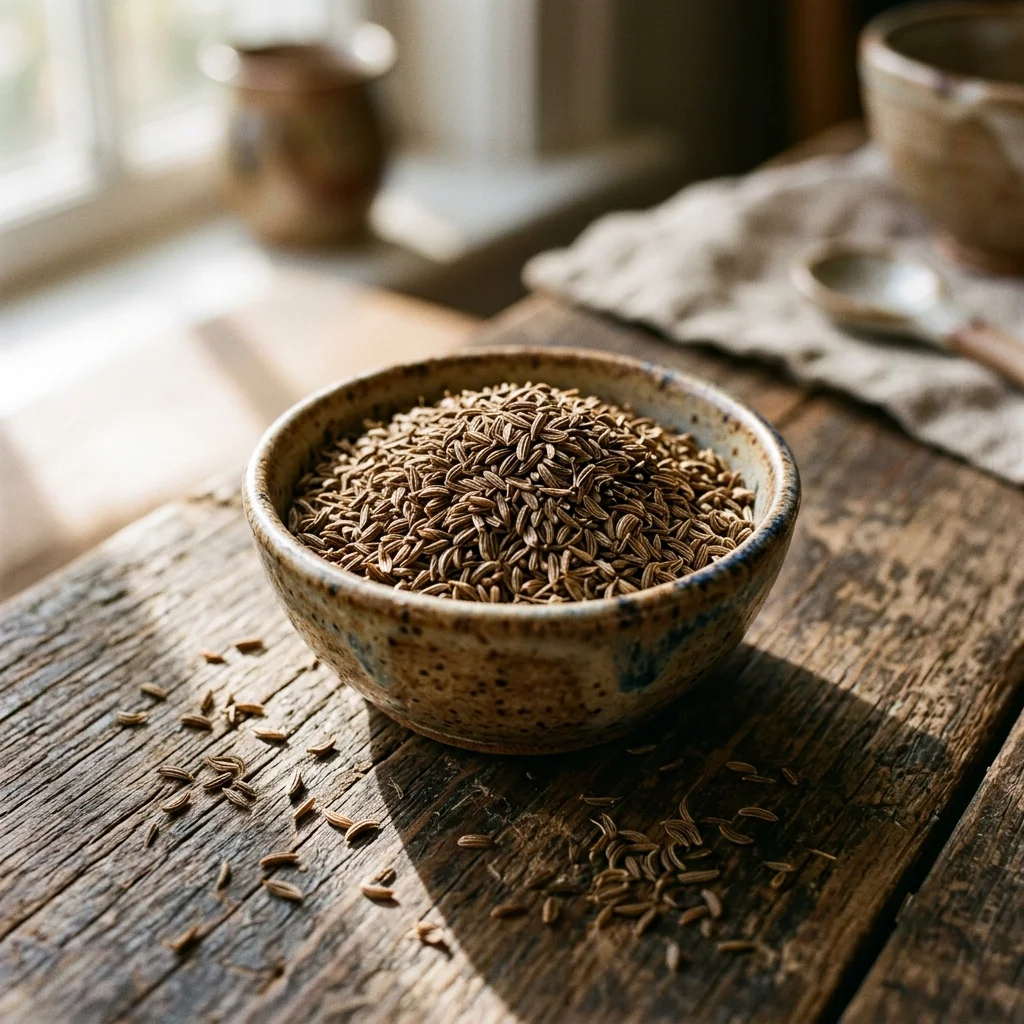
Nutrition Facts — half teaspoon (1g)
| Nutrient | Amount | % Daily Value |
|---|---|---|
| Calories | 3 kcal | 0% |
| Protein | 0.16g | 0% |
| Carbohydrates | 0.55g | 0% |
| Total Fat | 0.14g | 0% |
| Fiber | 0.21g | 1% |
| Saturated Fat | 0.01g | 0% |
| Sodium | 0.20mg | 0% |
| Potassium | 11.9mg | 0% |
| Calcium | 15.2mg | 1% |
| Iron | 0.16mg | 1% |
| Magnesium | 2.6mg | 1% |
| Zinc | 0.05mg | 0% |
| Vitamin C | 0.21mg | 0% |
| Vitamin A | 0.03mcg | 0% |
| Folate | 0.10mcg | 0% |
| Phosphorus | 2.8mg | 0% |
Is Dill Seed Good for You?
Dill Seed provides 3 calories per half teaspoon (1g) with 0.2g of protein, 0.6g of carbohydrates, and 0.1g of fat. It is a source of essential vitamins and minerals.
Key Health Benefits of Dill Seed
- Good source of essential vitamins and minerals
Frequently Asked Questions
How many calories is in dill seed?
One half teaspoon (1g) of dill seed contains 3 calories.
How much protein is in dill seed?
One half teaspoon (1g) of dill seed provides 0.2g of protein.
Is dill seed vegetarian?
Yes, dill seed is suitable for vegetarian diets.
Is dill seed vegan?
Yes, dill seed is completely plant-based and vegan-friendly.
Is dill seed gluten-free?
Yes, dill seed is naturally gluten-free.
Track Your Nutrition with Gram
Scan any food with AI-powered recognition and get instant nutrition breakdowns. Track calories, macros, and micronutrients effortlessly.
Nutrition data sourced from USDA FoodData Central. Track dill seed and thousands of other foods with the Gram app.