
Garlic Breadsticks Nutrition Facts: Calories, Macros & Health Benefits
Summary: 100g of garlic breadsticks contains 350 calories, 9g protein, 50g carbs, and 10g fat. Garlic Breadsticks are a good source of sodium.
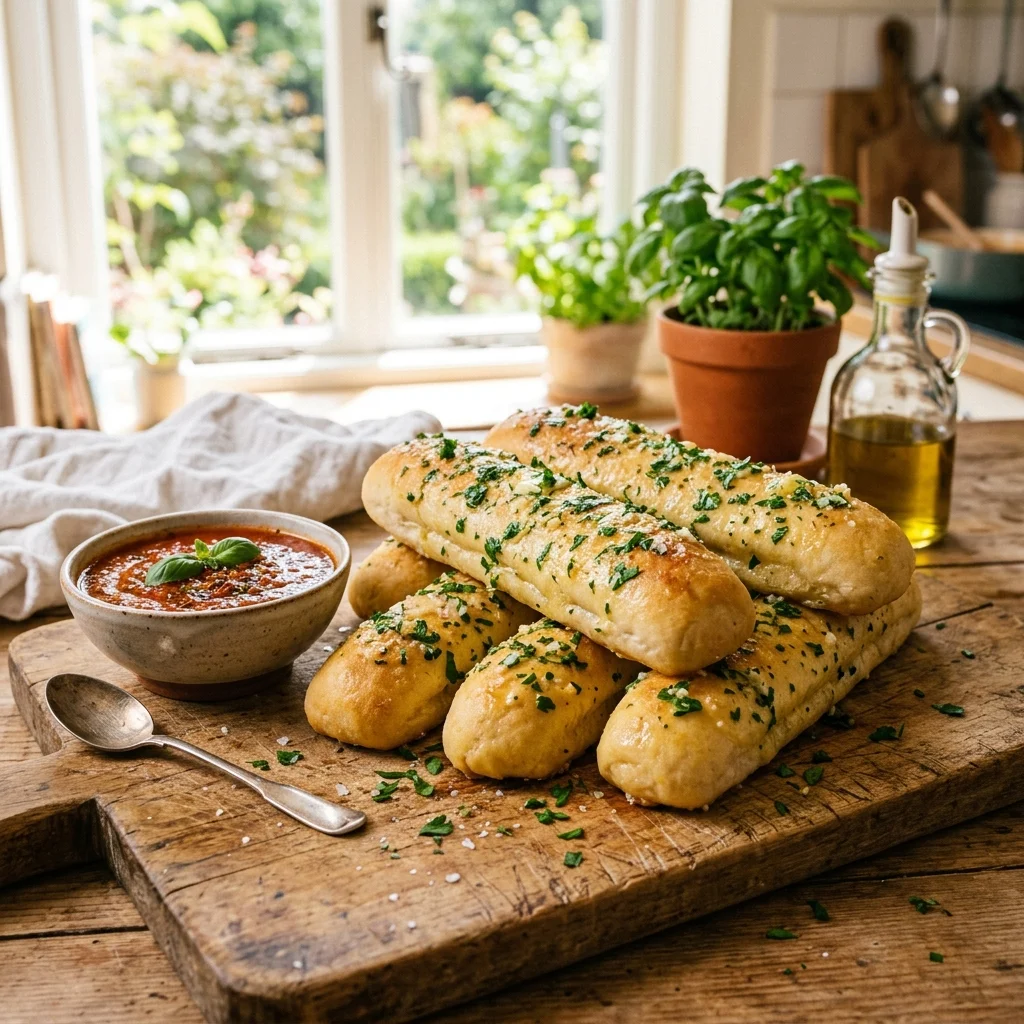
Nutrition Facts — per 100g
| Nutrient | Amount | % Daily Value |
|---|---|---|
| Calories | 350 kcal | 18% |
| Protein | 9.0g | 18% |
| Carbohydrates | 50.0g | 18% |
| Total Fat | 10.0g | 13% |
| Fiber | 2.5g | 9% |
| Sodium | 650.0mg | 28% |
Are Garlic Breadsticks Good for You?
Garlic breadsticks can be part of a balanced diet when consumed in moderation. Per 100g, they provide 9g of protein (18% Daily Value), 50g of carbohydrates (18% Daily Value), and contain beneficial garlic compounds. However, they are relatively high in sodium at 650mg (28% Daily Value), so portion control matters for heart health.
Key Health Benefits of Garlic Breadsticks
Solid Protein Source — With 9g of protein per 100g serving, garlic breadsticks support muscle maintenance and repair. They are a convenient carb-and-protein combination for post-workout recovery or satisfying lunch options.
Complex Carbohydrates for Energy — The 50g of carbohydrates per 100g makes them an efficient energy source. Garlic breadsticks are particularly useful before or after physical activity when your body needs sustained fuel.
Garlic’s Anti-Inflammatory Properties — Garlic contains allicin and other sulfur compounds with documented anti-inflammatory effects. Even when baked into breadsticks, these compounds retain some bioactive potential.
Reasonable Fiber Content — At 2.5g of fiber per 100g (9% Daily Value), they contribute modestly to digestive health. Fiber supports satiety and helps maintain steady blood sugar levels throughout the day.
Manageable Fat Profile — The 10g of total fat per 100g (13% Daily Value) is moderate and often comes from olive oil or butter used in preparation. This makes garlic breadsticks less calorie-dense than many fried appetizers.
How Does Garlic Breadsticks Compare?
Garlic breadsticks are more protein-rich than plain dinner rolls (typically 5-6g per 100g) due to their savory preparation and garlic seasoning. They are slightly lower in sodium than garlic bread made with excessive butter or salt, making them a marginally better choice for sodium-conscious diners. The added garlic distinguishes them nutritionally from basic breadsticks by contributing phytonutrients absent in plain varieties.
Frequently Asked Questions
How many calories are in garlic breadsticks?
Garlic breadsticks contain 350 calories per 100g serving. A typical serving of 2-3 breadsticks (roughly 50-75g) would provide 175-260 calories, depending on size and preparation method.
Are garlic breadsticks good for weight loss?
Garlic breadsticks can fit into a weight loss diet if portioned carefully, as they provide 9g of protein per 100g to support satiety. However, their 350 calories per 100g and relatively high sodium content mean they should be eaten in moderation alongside plenty of vegetables and lean proteins rather than as a primary food.
How much sodium is in garlic breadsticks?
Garlic breadsticks contain 650mg of sodium per 100g, which represents 28% of the daily recommended value. This makes them a higher-sodium food, so they’re best paired with low-sodium sides if you’re monitoring salt intake for blood pressure management.
Are garlic breadsticks gluten-free?
Most traditional garlic breadsticks are made from wheat flour and are not gluten-free. However, many restaurants and bakeries now offer gluten-free breadstick options made with alternative flours—check with your specific provider about their ingredients and preparation methods.
How should I store leftover garlic breadsticks?
Store leftover garlic breadsticks in an airtight container at room temperature for up to 2 days, or refrigerate them for 3-4 days. To reheat, wrap them in foil and warm in a 350°F oven for 5-10 minutes to restore their texture without drying them out.
How to Track Garlic Breadsticks Nutrition with Gram
The Gram app makes logging garlic breadsticks effortless—simply snap a photo of your serving and our AI food scanner instantly identifies the item and portion size. You’ll see the complete nutrient breakdown including protein, carbs, sodium, and fiber in seconds, letting you understand exactly how garlic breadsticks fit into your daily nutrition goals.
Frequently Asked Questions
How many calories are in garlic breadsticks?
Garlic breadsticks contain 350 calories per 100g serving. A typical serving of 2-3 breadsticks (roughly 50-75g) would provide 175-260 calories, depending on size and preparation method.
Are garlic breadsticks good for weight loss?
Garlic breadsticks can fit into a weight loss diet if portioned carefully, as they provide 9g of protein per 100g to support satiety. However, their 350 calories per 100g and relatively high sodium content mean they should be eaten in moderation alongside plenty of vegetables and lean proteins rather than as a primary food.
How much sodium is in garlic breadsticks?
Garlic breadsticks contain 650mg of sodium per 100g, which represents 28% of the daily recommended value. This makes them a higher-sodium food, so they're best paired with low-sodium sides if you're monitoring salt intake for blood pressure management.
Are garlic breadsticks gluten-free?
Most traditional garlic breadsticks are made from wheat flour and are not gluten-free. However, many restaurants and bakeries now offer gluten-free breadstick options made with alternative flours—check with your specific provider about their ingredients and preparation methods.
How should I store leftover garlic breadsticks?
Store leftover garlic breadsticks in an airtight container at room temperature for up to 2 days, or refrigerate them for 3-4 days. To reheat, wrap them in foil and warm in a 350°F oven for 5-10 minutes to restore their texture without drying them out.
Track your nutrition with Gram
Snap a photo of your meal and let AI do the rest. Track calories, macros, and micronutrients effortlessly.
Nutrition data sourced from USDA FoodData Central. Track garlic breadsticks and thousands of other foods with the Gram app.