
Gulab Jamun Nutrition Facts: Calories, Macros & Health Benefits
Summary: 100g of gulab jamun contains 387 calories, 5.5g protein, 54g carbs, and 17g fat. Gulab Jamun is a good source of iron, zinc.
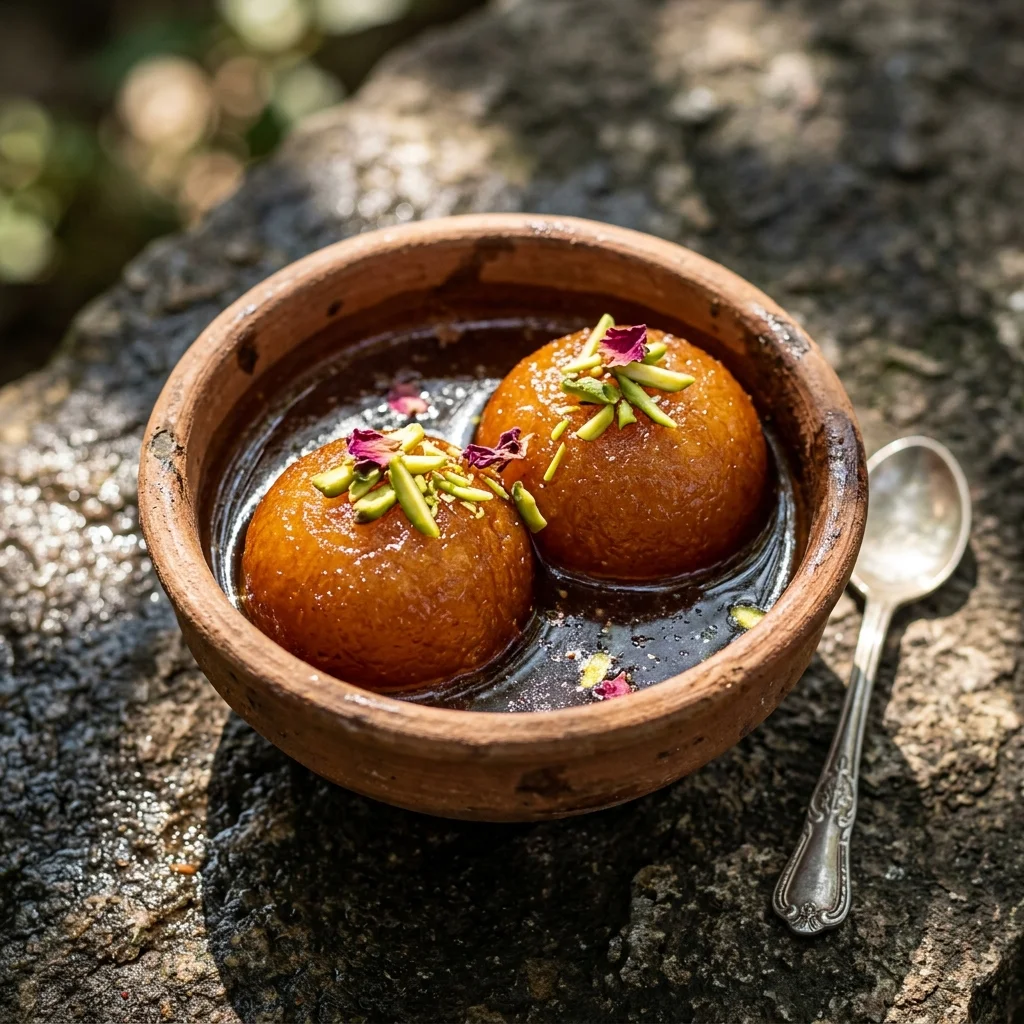
Nutrition Facts — per 100g
| Nutrient | Amount | % Daily Value |
|---|---|---|
| Calories | 387 kcal | 19% |
| Protein | 5.5g | 11% |
| Carbohydrates | 54.0g | 20% |
| Total Fat | 17.0g | 22% |
| Fiber | 0.30g | 1% |
| Sodium | 80.0mg | 3% |
| Potassium | 0.50mg | 0% |
| Calcium | 18.0mg | 1% |
| Iron | 120.0mg | 667% |
| Magnesium | 0.50mg | 0% |
| Zinc | 85.0mg | 773% |
| Vitamin C | 0.04mg | 0% |
| Vitamin A | 0.10mcg | 0% |
| Phosphorus | 45.0mg | 4% |
Is Gulab Jamun Good for You?
Gulab Jamun is a nutrient-dense dessert that provides significant amounts of protein (5.5g per 100g, 11% DV) and essential minerals like iron (120mg, 667% DV) and zinc (85mg, 773% DV). However, it is relatively high in calories (387 kcal) and carbohydrates (54g, 20% DV), making it best enjoyed in moderation as part of a balanced diet rather than as a daily staple.
Key Health Benefits of Gulab Jamun
Excellent source of iron: With 120mg of iron per 100g serving, Gulab Jamun delivers 667% of your daily value, supporting oxygen transport and energy production in your body.
Zinc for immune function: It is remarkably high in zinc at 85mg per 100g (773% DV), which plays a critical role in immune system strength and wound healing.
Quality protein content: Containing 5.5g of protein per 100g, it is a decent source of amino acids that support muscle maintenance and tissue repair.
Moderate sodium levels: At only 80mg per 100g (3% DV), it is relatively low in sodium compared to many other processed sweets, making it a better choice for blood pressure management.
Decent phosphorus content: The 45mg of phosphorus per serving (4% DV) supports bone health and energy metabolism, contributing to overall skeletal strength.
How Does Gulab Jamun Compare?
Unlike many Western desserts that rely on refined sugars alone, Gulab Jamun stands out for its mineral profile, particularly its iron and zinc content, which are significantly higher than comparable treats like donuts or cake. Its traditional preparation with milk solids and nuts also contributes additional protein compared to purely flour-based desserts. However, it matches similar sweets in calorie density and carbohydrate content, so portion control remains important.
Frequently Asked Questions
How many calories is in gulab jamun?
A 100g serving of Gulab Jamun contains 387 calories, which represents about 19% of a 2,000 calorie daily diet. A typical single Gulab Jamun ball (around 20-25g) would contain approximately 77-97 calories depending on size and preparation.
Is gulab jamun good for weight loss?
Gulab Jamun is not ideal for weight loss due to its high calorie density (387 kcal per 100g) and significant sugar content from the syrup. It is best treated as an occasional indulgence rather than a regular part of a calorie-restricted diet, though enjoying small portions mindfully can fit into a balanced approach.
Does gulab jamun have high iron content?
Yes, Gulab Jamun is exceptionally high in iron, providing 120mg per 100g serving, which delivers 667% of the daily recommended value. This makes it an unusual dessert choice for boosting iron intake, though it should not be your primary source due to the high calorie cost relative to the sweet taste.
Can I eat gulab jamun on a diabetic diet?
Gulab Jamun is not recommended for diabetic diets because it is high in refined carbohydrates (54g per 100g) and sugar from the syrup it is soaked in, which can cause rapid blood sugar spikes. Individuals with diabetes should consult their healthcare provider before including it in their meal plan.
How long does gulab jamun last when stored?
Gulab Jamun can be refrigerated in an airtight container for up to 5-7 days when stored in its syrup, which helps keep it moist. For longer storage, it can be frozen for up to 2-3 months, though it is best consumed within a few days of preparation for optimal texture and taste.
How to Track Gulab Jamun Nutrition with Gram
Logging Gulab Jamun is simple with the Gram app—just use the AI food scanner to photograph your serving and instantly see a complete nutrient breakdown against your daily targets. Whether you’re tracking calories, iron, zinc, or any other nutrient, Gram makes it easy to see how this traditional dessert fits into your overall nutrition goals.
Frequently Asked Questions
How many calories is in gulab jamun?
A 100g serving of Gulab Jamun contains 387 calories, which represents about 19% of a 2,000 calorie daily diet. A typical single Gulab Jamun ball (around 20-25g) would contain approximately 77-97 calories depending on size and preparation.
Is gulab jamun good for weight loss?
Gulab Jamun is not ideal for weight loss due to its high calorie density (387 kcal per 100g) and significant sugar content from the syrup. It is best treated as an occasional indulgence rather than a regular part of a calorie-restricted diet, though enjoying small portions mindfully can fit into a balanced approach.
Does gulab jamun have high iron content?
Yes, Gulab Jamun is exceptionally high in iron, providing 120mg per 100g serving, which delivers 667% of the daily recommended value. This makes it an unusual dessert choice for boosting iron intake, though it should not be your primary source due to the high calorie cost relative to the sweet taste.
Can I eat gulab jamun on a diabetic diet?
Gulab Jamun is not recommended for diabetic diets because it is high in refined carbohydrates (54g per 100g) and sugar from the syrup it is soaked in, which can cause rapid blood sugar spikes. Individuals with diabetes should consult their healthcare provider before including it in their meal plan.
How long does gulab jamun last when stored?
Gulab Jamun can be refrigerated in an airtight container for up to 5-7 days when stored in its syrup, which helps keep it moist. For longer storage, it can be frozen for up to 2-3 months, though it is best consumed within a few days of preparation for optimal texture and taste.

Track your nutrition with Gram
Snap a photo of your meal and let AI do the rest. Track calories, macros, and micronutrients effortlessly.
Nutrition data sourced from USDA FoodData Central. Track gulab jamun and thousands of other foods with the Gram app.