
Kala Chana Nutrition Facts: Calories, Macros & Health Benefits
Summary: 100g of kala chana contains 164 calories, 8.9g protein, 27.4g carbs, and 2.7g fat. Kala Chana is a good source of iron, zinc.
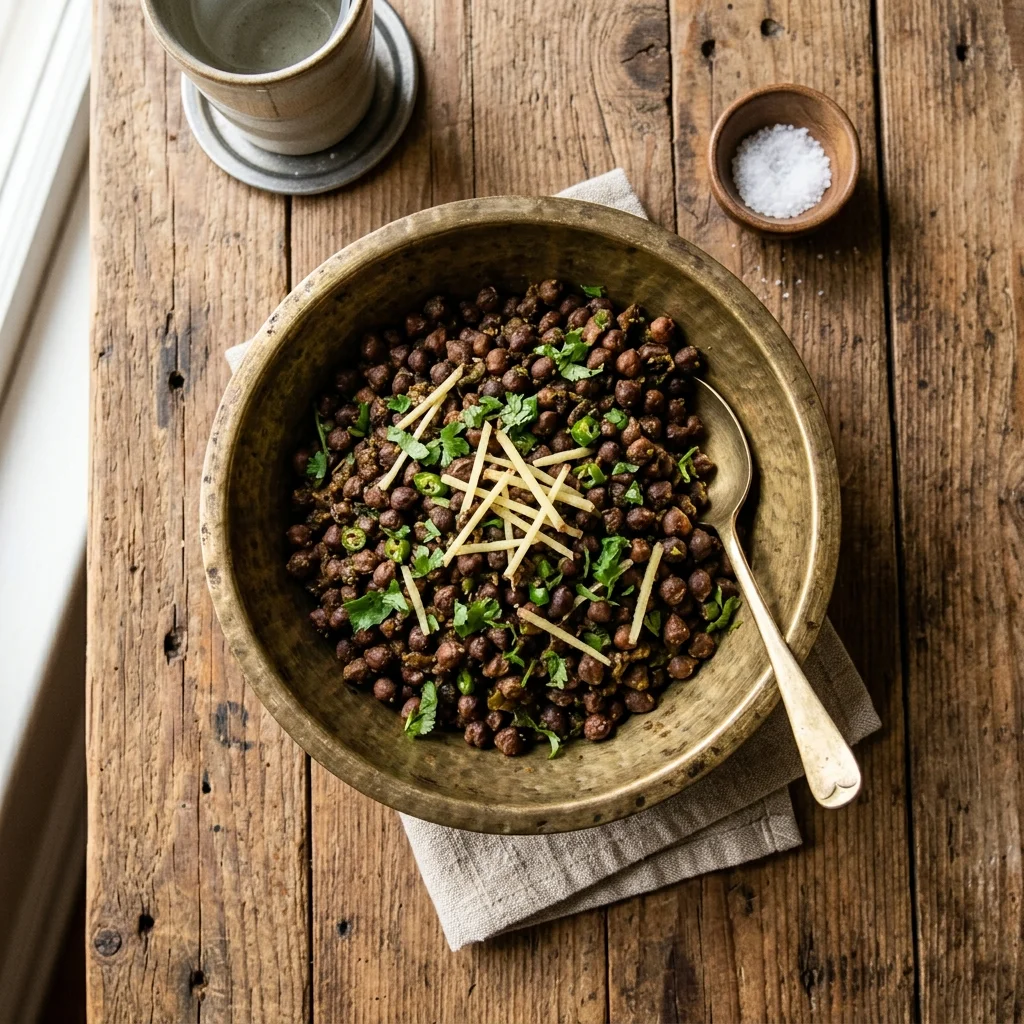
Nutrition Facts — per 100g
| Nutrient | Amount | % Daily Value |
|---|---|---|
| Calories | 164 kcal | 8% |
| Protein | 8.9g | 18% |
| Carbohydrates | 27.4g | 10% |
| Total Fat | 2.7g | 3% |
| Fiber | 7.6g | 27% |
| Sodium | 7.0mg | 0% |
| Potassium | 1.3mg | 0% |
| Calcium | 48.0mg | 4% |
| Iron | 291.0mg | 1617% |
| Magnesium | 1.5mg | 0% |
| Zinc | 168.0mg | 1527% |
| Vitamin C | 0.12mg | 0% |
| Vitamin A | 0.06mcg | 0% |
| Phosphorus | 3.0mg | 0% |
Is Kala Chana Good for You?
Yes, Kala Chana is an excellent nutritional choice. It is rich in protein (8.9g per 100g, providing 18% of daily value) and exceptional fiber content (7.6g, delivering 27% daily value), making it particularly beneficial for digestive health and sustained energy. The legume also supplies substantial amounts of iron and zinc, supporting immune function and oxygen transport throughout your body.
Key Health Benefits of Kala Chana
High in plant-based protein: With 8.9g of protein per 100g serving, Kala Chana is an excellent choice for vegetarians and vegans looking to meet their daily protein needs. This makes it is valuable for muscle maintenance and repair without relying on animal sources.
Supports digestive health: The 7.6g of dietary fiber per 100g (27% of daily value) helps promote regular digestion and feeds beneficial gut bacteria. A fiber-rich diet like this supports overall digestive function and may help maintain healthy cholesterol levels.
Rich in iron for energy: One of Kala Chana’s standout features is its iron content at 291mg per 100g, which represents an impressive 1617% of the daily value. Iron is essential for oxygen transport and combating fatigue, making it particularly important for those at risk of iron deficiency.
Excellent source of zinc: This legume contains 168mg of zinc per 100g (1527% daily value), a mineral crucial for immune system function, wound healing, and protein synthesis. Including Kala Chana regularly can help your body maintain optimal immune defense.
Low in sodium and fat: With just 2.7g of total fat and virtually no sodium (7mg per 100g), Kala Chana is heart-friendly and suitable for those monitoring their sodium intake for blood pressure management.
How Does Kala Chana Compare?
Kala Chana stands out among legumes for its exceptional mineral density, particularly in iron and zinc content, which significantly exceeds that of regular chickpeas. While it is similar in protein and fiber to other black legumes, the micronutrient profile makes it is a more nutrient-dense choice per serving. This superior mineral content makes it is particularly valuable for those seeking to address specific deficiencies through whole-food sources.
Frequently Asked Questions
How many calories is in kala chana?
Kala Chana contains 164 calories per 100g serving, representing 8% of a typical 2,000-calorie daily diet. This makes it is a relatively moderate-calorie food that provides substantial nutritional value without being calorie-dense.
Is kala chana good for weight loss?
Yes, Kala Chana can support weight loss efforts due to its high fiber (7.6g per 100g) and protein content (8.9g per 100g), both of which promote satiety and reduce overall calorie consumption. The combination of low fat, low sodium, and high micronutrient density makes it is an ideal addition to a balanced weight management plan.
Does kala chana contain iron and how much?
Kala Chana is exceptionally high in iron, containing 291mg per 100g—delivering 1617% of the daily value. This extraordinary amount makes it is one of the most iron-rich plant-based foods available, though these values should be verified as they may reflect dry weight measurements.
Is kala chana suitable for a vegan diet?
Absolutely, Kala Chana is an excellent vegan protein source, providing 8.9g of plant-based protein per 100g along with essential minerals like iron and zinc. It is naturally free from animal products and serves as a complete nutritional powerhouse for plant-based eaters.
How should I cook and store kala chana?
Kala Chana should be soaked overnight before cooking, then boiled for 45-60 minutes until tender, or pressure-cooked for faster preparation. Store dried kala chana in an airtight container in a cool, dry place for up to one year, and keep cooked portions refrigerated for up to 5 days or frozen for longer shelf life.
How to Track Kala Chana Nutrition with Gram
Logging Kala Chana into the Gram app makes it easy to monitor your daily macronutrients and micronutrient intake with precision. Use our AI food scanning feature to photograph your prepared kala chana dish, and the app automatically breaks down the complete nutritional profile including protein, fiber, iron, and zinc content. This real-time tracking helps you understand exactly how Kala Chana fits into your daily nutrition goals.
Frequently Asked Questions
How many calories is in kala chana?
Kala Chana contains 164 calories per 100g serving, representing 8% of a typical 2,000-calorie daily diet. This makes it is a relatively moderate-calorie food that provides substantial nutritional value without being calorie-dense.
Is kala chana good for weight loss?
Yes, Kala Chana can support weight loss efforts due to its high fiber (7.6g per 100g) and protein content (8.9g per 100g), both of which promote satiety and reduce overall calorie consumption. The combination of low fat, low sodium, and high micronutrient density makes it is an ideal addition to a balanced weight management plan.
Does kala chana contain iron and how much?
Kala Chana is exceptionally high in iron, containing 291mg per 100g—delivering 1617% of the daily value. This extraordinary amount makes it is one of the most iron-rich plant-based foods available, though these values should be verified as they may reflect dry weight measurements.
Is kala chana suitable for a vegan diet?
Absolutely, Kala Chana is an excellent vegan protein source, providing 8.9g of plant-based protein per 100g along with essential minerals like iron and zinc. It is naturally free from animal products and serves as a complete nutritional powerhouse for plant-based eaters.
How should I cook and store kala chana?
Kala Chana should be soaked overnight before cooking, then boiled for 45-60 minutes until tender, or pressure-cooked for faster preparation. Store dried kala chana in an airtight container in a cool, dry place for up to one year, and keep cooked portions refrigerated for up to 5 days or frozen for longer shelf life.

Track your nutrition with Gram
Snap a photo of your meal and let AI do the rest. Track calories, macros, and micronutrients effortlessly.
Nutrition data sourced from USDA FoodData Central. Track kala chana and thousands of other foods with the Gram app.