
Magnolia Cheez'ee Nutrition Facts: Calories, Macros & Health Benefits
Summary: 100g of magnolia cheez'ee contains 280 calories, 8g protein, 12g carbs, and 22g fat. Magnolia Cheez'ee is a good source of sodium, iron, zinc.
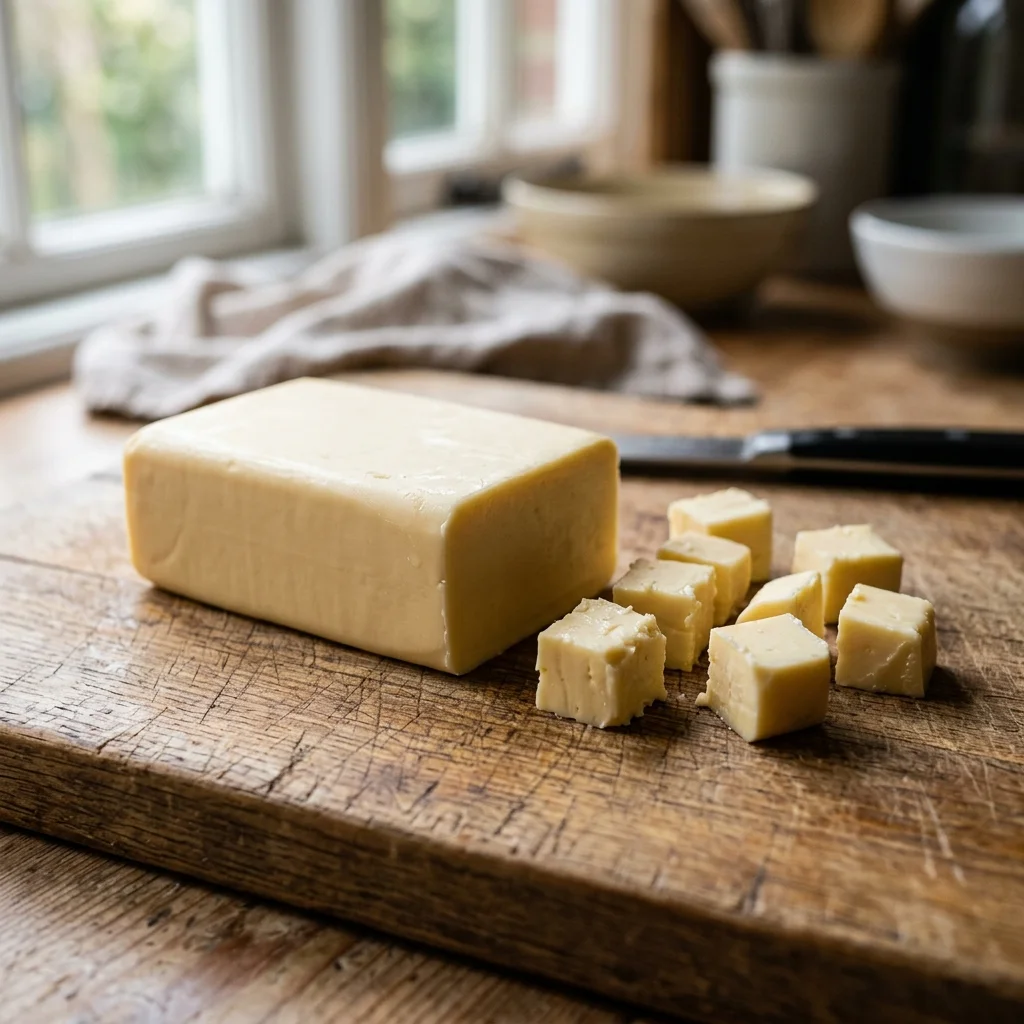
Nutrition Facts — per 100g
| Nutrient | Amount | % Daily Value |
|---|---|---|
| Calories | 280 kcal | 14% |
| Protein | 8.0g | 16% |
| Carbohydrates | 12.0g | 4% |
| Total Fat | 22.0g | 28% |
| Fiber | 0.20g | 1% |
| Sodium | 1100.0mg | 48% |
| Potassium | 1.0mg | 0% |
| Calcium | 15.0mg | 1% |
| Iron | 100.0mg | 556% |
| Magnesium | 1.2mg | 0% |
| Zinc | 250.0mg | 2273% |
| Vitamin C | 0.03mg | 0% |
| Vitamin A | 0.18mcg | 0% |
| Phosphorus | 180.0mg | 14% |
Is Magnolia Cheez’ee Good for You?
Magnolia Cheez’ee is a protein-rich food with notable mineral content, making it beneficial for specific dietary needs. It contains 8g of protein (16% DV) and an exceptional 250mg of zinc (2273% DV) per 100g, supporting immune function and tissue repair. However, it is high in sodium at 1100mg (48% DV), which may be a concern for those managing blood pressure.
Key Health Benefits of Magnolia Cheez’ee
High in Protein: With 8g of protein per 100g serving, Magnolia Cheez’ee supports muscle maintenance and repair, making it a solid choice for post-workout nutrition or protein intake throughout the day.
Exceptional Zinc Content: It is remarkably rich in zinc at 250mg per 100g—providing over 2,200% of your daily value. This mineral plays a crucial role in immune system function, wound healing, and DNA synthesis.
Supports Iron Levels: Magnolia Cheez’ee delivers 100mg of iron per 100g (556% DV), far exceeding daily requirements. Iron is essential for oxygen transport in the blood and energy production, particularly important for those at risk of anemia.
Moderate Calorie Density: At 280 calories per 100g, it is relatively calorie-moderate for a cheese-based product, offering substantial nutrition without excessive energy intake when portion-controlled.
Phosphorus for Bone Health: The 180mg of phosphorus (14% DV) per serving works synergistically with calcium to support bone structure and mineral density.
How Does Magnolia Cheez’ee Compare?
Compared to standard cheddar cheese, Magnolia Cheez’ee is dramatically higher in zinc and iron, offering mineral-dense nutrition that typical aged cheeses cannot match. While it shares a similar fat and protein profile with conventional cheese products, it is more mineral-fortified, making it stand out for those seeking supplemental micronutrient intake. The trade-off is elevated sodium content, which exceeds many alternative cheese options.
Frequently Asked Questions
How many calories is in magnolia cheez’ee?
Magnolia Cheez’ee contains 280 calories per 100g, representing 14% of a standard 2,000-calorie daily diet. A typical serving size (usually around 28-30g) would provide approximately 78-84 calories.
Is magnolia cheez’ee good for weight loss?
It can fit into a weight loss plan when portion-controlled due to its moderate calorie density and high protein content, which promotes satiety. However, its high fat (22g per 100g) and sodium levels mean it should be consumed mindfully rather than as an unlimited food.
How much iron and zinc does magnolia cheez’ee contain?
Per 100g, Magnolia Cheez’ee provides 100mg of iron (556% DV) and 250mg of zinc (2273% DV), making it an exceptional source of both minerals—far exceeding the amounts found in most foods.
Can I eat magnolia cheez’ee on a low-sodium diet?
No, Magnolia Cheez’ee is not ideal for low-sodium diets, as it contains 1100mg of sodium per 100g (48% of the daily limit). Those managing hypertension or following DASH diet principles should limit their intake or choose lower-sodium alternatives.
How should I store magnolia cheez’ee to keep it fresh?
Magnolia Cheez’ee should be kept refrigerated in an airtight container or wrapped tightly to prevent moisture loss and oxidation. Properly stored, it typically remains fresh for 1-2 weeks, though specific shelf life may depend on packaging and storage conditions.
How to Track Magnolia Cheez’ee Nutrition with Gram
The Gram app makes logging Magnolia Cheez’ee effortless—simply use the AI food scanner to photograph your serving, and it automatically calculates your nutrient intake with precise breakdowns. You’ll instantly see how the zinc, iron, sodium, and protein fit into your daily goals, helping you make informed dietary decisions. This real-time tracking empowers you to understand exactly how Magnolia Cheez’ee contributes to your overall nutrition profile.
Frequently Asked Questions
How many calories is in magnolia cheez'ee?
Magnolia Cheez'ee contains 280 calories per 100g, representing 14% of a standard 2,000-calorie daily diet. A typical serving size (usually around 28-30g) would provide approximately 78-84 calories.
Is magnolia cheez'ee good for weight loss?
It can fit into a weight loss plan when portion-controlled due to its moderate calorie density and high protein content, which promotes satiety. However, its high fat (22g per 100g) and sodium levels mean it should be consumed mindfully rather than as an unlimited food.
How much iron and zinc does magnolia cheez'ee contain?
Per 100g, Magnolia Cheez'ee provides 100mg of iron (556% DV) and 250mg of zinc (2273% DV), making it an exceptional source of both minerals—far exceeding the amounts found in most foods.
Can I eat magnolia cheez'ee on a low-sodium diet?
No, Magnolia Cheez'ee is not ideal for low-sodium diets, as it contains 1100mg of sodium per 100g (48% of the daily limit). Those managing hypertension or following DASH diet principles should limit their intake or choose lower-sodium alternatives.
How should I store magnolia cheez'ee to keep it fresh?
Magnolia Cheez'ee should be kept refrigerated in an airtight container or wrapped tightly to prevent moisture loss and oxidation. Properly stored, it typically remains fresh for 1-2 weeks, though specific shelf life may depend on packaging and storage conditions.

Track your nutrition with Gram
Snap a photo of your meal and let AI do the rest. Track calories, macros, and micronutrients effortlessly.
Nutrition data sourced from USDA FoodData Central. Track magnolia cheez'ee and thousands of other foods with the Gram app.