
Mangga Nutrition Facts: Calories, Macros & Health Benefits
Summary: 100g of mangga contains 60 calories, 0.8g protein, 15g carbs, and 0.4g fat. Mangga is a good source of essential vitamins and minerals.
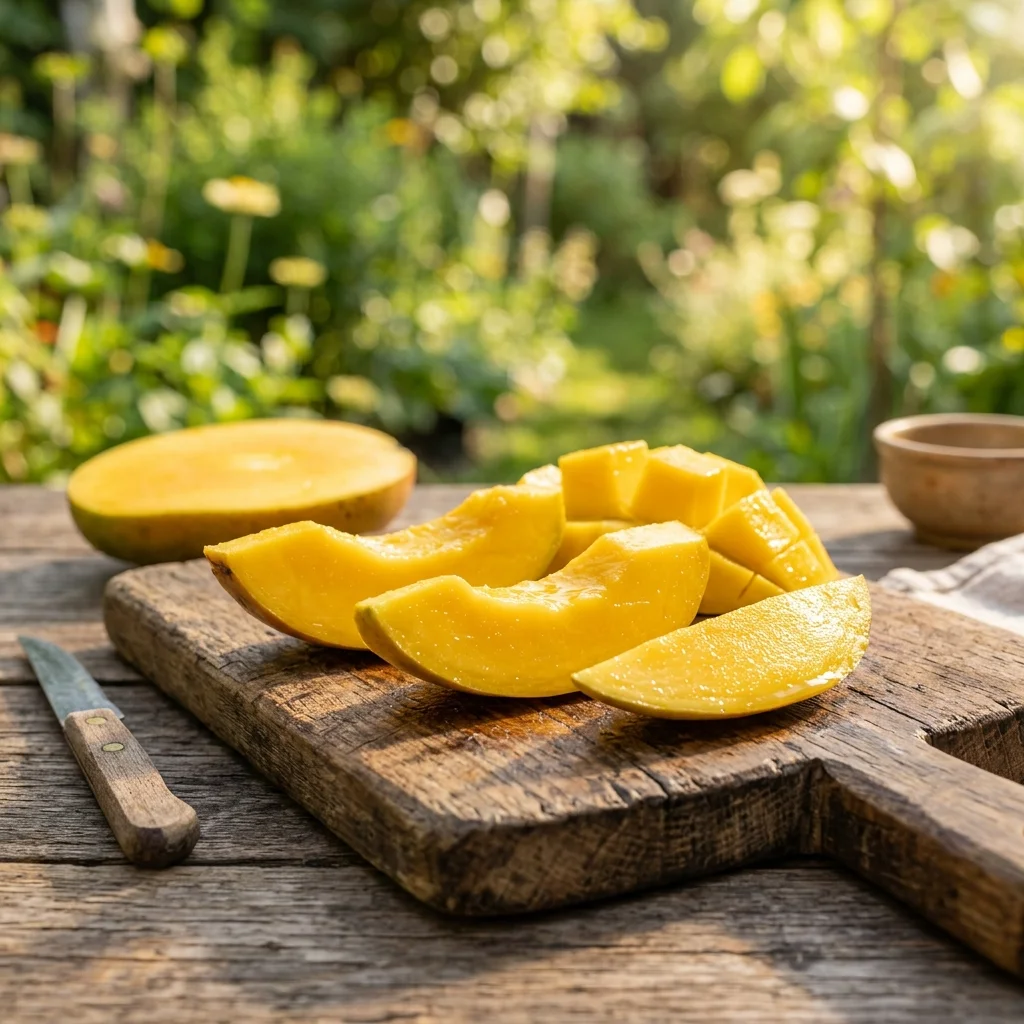
Nutrition Facts — per 100g
| Nutrient | Amount | % Daily Value |
|---|---|---|
| Calories | 60 kcal | 3% |
| Protein | 0.82g | 2% |
| Carbohydrates | 15.0g | 5% |
| Total Fat | 0.38g | 0% |
| Fiber | 1.6g | 6% |
| Sodium | 1.0mg | 0% |
Is Mangga Good for You?
Yes, Mangga is good for you. It is a low-calorie fruit at just 60 kcal per 100g (3% Daily Value) and provides 1.6g of fiber (6% Daily Value) for digestive health, plus 15g of carbohydrates to support energy levels. With minimal fat and sodium, it is an excellent choice for a balanced diet.
Key Health Benefits of Mangga
Supports Digestive Health – At 1.6g of fiber per 100g, Mangga provides 6% of your daily fiber needs, promoting healthy digestion and regular bowel movements.
Low-Calorie Energy Source – With only 60 calories per 100g serving, it is an ideal fruit for those managing calorie intake while still getting natural carbohydrates for sustained energy.
Minimal Fat Content – Containing just 0.4g of total fat per 100g, Mangga is virtually fat-free and supports heart-healthy eating patterns.
Sodium-Free Hydration – At just 1mg of sodium per 100g, it is excellent for those monitoring sodium intake and keeping blood pressure in check.
Gentle Protein Contribution – While modest at 0.8g per 100g, the protein in Mangga complements a balanced diet when paired with other protein sources.
How Does Mangga Compare?
Compared to a typical apple (52 kcal per 100g), Mangga is slightly higher in calories but offers more fiber at 1.6g versus an apple’s 2.4g. What sets Mangga apart is its natural carbohydrate content and minimal sodium profile, making it an excellent option for those seeking a nutrient-dense, low-fat tropical fruit.
Frequently Asked Questions
How many calories is in mangga?
Mangga contains 60 calories per 100g serving, making it a low-calorie fruit option that contributes just 3% to a standard 2,000-calorie daily diet.
Is mangga good for weight loss?
Yes, Mangga can support weight loss efforts because it is low in calories (60 kcal per 100g) and provides 1.6g of fiber to help you feel fuller longer, making it an excellent low-calorie snack choice.
How much fiber does mangga have?
Mangga provides 1.6g of fiber per 100g, which represents 6% of the daily recommended fiber intake and supports digestive health and regularity.
Is mangga suitable for a low-sodium diet?
Yes, it is an excellent choice for low-sodium diets since it contains only 1mg of sodium per 100g, making it virtually sodium-free and suitable for blood pressure management.
How should I store mangga to keep it fresh?
Store Mangga at room temperature until ripe, then refrigerate it to extend freshness for several days; you can also freeze it for smoothies or later use.
How to Track Mangga Nutrition with Gram
The Gram app makes logging Mangga effortless—simply scan the fruit with your phone’s camera using our AI food recognition, and you’ll instantly see the complete nutritional breakdown including calories, fiber, carbs, and more. No manual searching or data entry required. Track your intake throughout the day and watch how Mangga fits into your personalized nutrition goals.
Frequently Asked Questions
How many calories is in mangga?
Mangga contains 60 calories per 100g serving, making it a low-calorie fruit option that contributes just 3% to a standard 2,000-calorie daily diet.
Is mangga good for weight loss?
Yes, Mangga can support weight loss efforts because it is low in calories (60 kcal per 100g) and provides 1.6g of fiber to help you feel fuller longer, making it an excellent low-calorie snack choice.
How much fiber does mangga have?
Mangga provides 1.6g of fiber per 100g, which represents 6% of the daily recommended fiber intake and supports digestive health and regularity.
Is mangga suitable for a low-sodium diet?
Yes, it is an excellent choice for low-sodium diets since it contains only 1mg of sodium per 100g, making it virtually sodium-free and suitable for blood pressure management.
How should I store mangga to keep it fresh?
Store Mangga at room temperature until ripe, then refrigerate it to extend freshness for several days; you can also freeze it for smoothies or later use.

Track your nutrition with Gram
Snap a photo of your meal and let AI do the rest. Track calories, macros, and micronutrients effortlessly.
Nutrition data sourced from USDA FoodData Central. Track mangga and thousands of other foods with the Gram app.