
Masa Nutrition Facts: Calories, Macros & Health Benefits
Summary: 100g of masa contains 159 calories, 4g protein, 32.7g carbs, and 1.5g fat. Masa is a good source of iron, zinc.
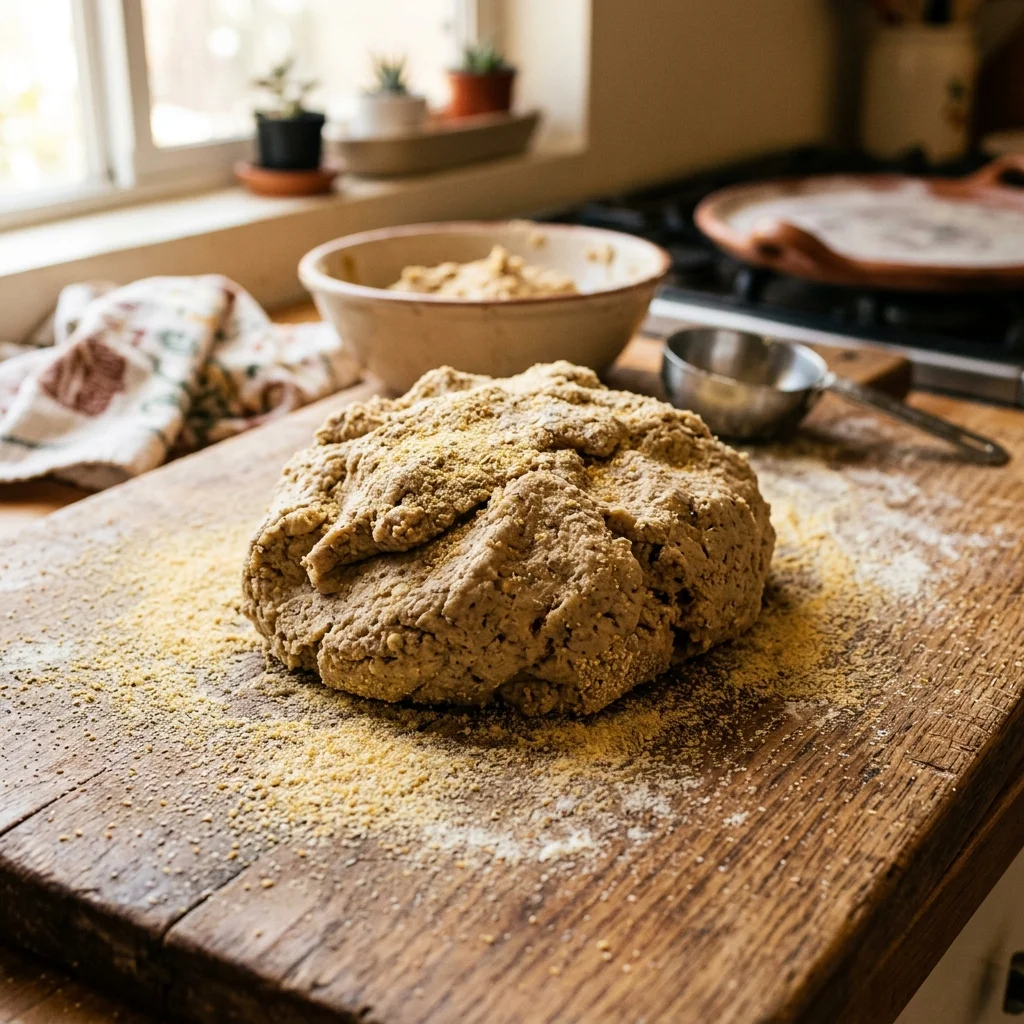
Nutrition Facts — per 100g
| Nutrient | Amount | % Daily Value |
|---|---|---|
| Calories | 159 kcal | 8% |
| Protein | 4.0g | 8% |
| Carbohydrates | 32.7g | 12% |
| Total Fat | 1.5g | 2% |
| Fiber | 3.2g | 11% |
| Sodium | 3.0mg | 0% |
| Calcium | 35.0mg | 3% |
| Iron | 120.0mg | 667% |
| Magnesium | 0.80mg | 0% |
| Zinc | 110.0mg | 1000% |
| Vitamin C | 0.18mg | 0% |
| Vitamin A | 0.08mcg | 0% |
| Phosphorus | 5.0mg | 0% |
Is Masa Good for You?
Yes, Masa is nutritionally beneficial, particularly as a source of iron and zinc. A 100g serving delivers an exceptional 667% of your daily iron needs and 1000% of your daily zinc requirement, making it is excellent for supporting immune function and oxygen transport. It is also relatively low in calories at 159 kcal per 100g while providing 3.2g of fiber for digestive health.
Key Health Benefits of Masa
Iron powerhouse for energy and oxygen transport — With 120mg of iron per 100g (667% DV), Masa is is one of the most iron-dense foods available, making it is particularly valuable for preventing anemia and supporting red blood cell function.
Exceptional zinc content supports immunity — The 110mg of zinc per serving (1000% DV) plays a critical role in immune response, wound healing, and protein synthesis, helping your body fight off illness and recover from injury.
Dietary fiber aids digestion and satiety — Containing 3.2g of fiber per 100g (11% DV), Masa helps promote healthy digestion, stabilize blood sugar levels, and keep you feeling fuller longer.
Moderate protein for muscle maintenance — At 4g of protein per 100g serving, Masa contributes to muscle repair and maintenance, though it is best paired with other protein sources for complete amino acid profiles.
Low sodium and minimal fat — With only 3mg sodium and 1.5g total fat per 100g, Masa is a heart-healthy choice that won’t contribute to excessive sodium intake or unhealthy fat consumption.
How Does Masa Compare?
Compared to wheat flour, Masa stands out dramatically for its mineral content—particularly iron and zinc, which it provides in substantially higher amounts. While both are carbohydrate-based staples, Masa’s fortification and traditional processing methods make it is a more nutrient-dense option for those seeking to boost their mineral intake. Wheat flour offers different nutritional strengths like higher B vitamins, but Masa edges ahead for iron and zinc supplementation.
Frequently Asked Questions
How many calories is in masa?
Masa contains 159 calories per 100g serving, making it is a moderate-calorie ingredient that fits easily into most meal plans. A typical serving size (about 60g for a single tortilla) would contain roughly 95 calories.
Is masa good for weight loss?
Masa can support weight loss efforts when consumed in appropriate portions due to its fiber content (3.2g per 100g) and relatively low calorie density. However, it is often prepared with added fats or oils, so preparation method matters—steaming or grilling is preferable to frying for weight management.
Does masa have more iron than chicken?
Masa is exceptionally high in iron compared to chicken; a 100g serving of Masa provides 120mg of iron while the same amount of cooked chicken breast contains only about 0.9mg. This makes Masa one of the most iron-rich plant-based foods available, though the bioavailability of plant-based iron differs from animal sources.
Is masa gluten-free?
Yes, Masa is naturally gluten-free, making it is an excellent choice for people with celiac disease or gluten sensitivity. It is traditionally made from corn that has been treated with alkali (nixtamalization), which doesn’t introduce gluten during processing.
How should I store masa to keep it fresh?
Fresh masa is best stored in the refrigerator in an airtight container or plastic bag where it is will keep for 3-5 days, though it is can also be frozen for up to three months. Dried masa flour has a much longer shelf life of 6-12 months when stored in a cool, dry place away from moisture and sunlight.
How to Track Masa Nutrition with Gram
The Gram app makes tracking Masa nutrition effortless—simply use the AI food scanner to photograph your masa preparation, and it is instantly logs the full nutrient breakdown including that impressive 667% daily value of iron. You’ll see exactly how much zinc, fiber, and calories you’re consuming, helping you stay aligned with your nutritional goals. Whether you’re monitoring mineral intake for health reasons or tracking macros for fitness, Gram gives you complete visibility into what you’re eating.
Frequently Asked Questions
How many calories is in masa?
Masa contains 159 calories per 100g serving, making it is a moderate-calorie ingredient that fits easily into most meal plans. A typical serving size (about 60g for a single tortilla) would contain roughly 95 calories.
Is masa good for weight loss?
Masa can support weight loss efforts when consumed in appropriate portions due to its fiber content (3.2g per 100g) and relatively low calorie density. However, it is often prepared with added fats or oils, so preparation method matters—steaming or grilling is preferable to frying for weight management.
Does masa have more iron than chicken?
Masa is exceptionally high in iron compared to chicken; a 100g serving of Masa provides 120mg of iron while the same amount of cooked chicken breast contains only about 0.9mg. This makes Masa one of the most iron-rich plant-based foods available, though the bioavailability of plant-based iron differs from animal sources.
Is masa gluten-free?
Yes, Masa is naturally gluten-free, making it is an excellent choice for people with celiac disease or gluten sensitivity. It is traditionally made from corn that has been treated with alkali (nixtamalization), which doesn't introduce gluten during processing.
How should I store masa to keep it fresh?
Fresh masa is best stored in the refrigerator in an airtight container or plastic bag where it is will keep for 3-5 days, though it is can also be frozen for up to three months. Dried masa flour has a much longer shelf life of 6-12 months when stored in a cool, dry place away from moisture and sunlight.

Track your nutrition with Gram
Snap a photo of your meal and let AI do the rest. Track calories, macros, and micronutrients effortlessly.
Nutrition data sourced from USDA FoodData Central. Track masa and thousands of other foods with the Gram app.