
Paneer Nutrition Facts: Calories, Macros & Health Benefits
Summary: 100g of paneer contains 265 calories, 18.3g protein, 1.2g carbs, and 20.8g fat. Paneer is a good source of iron, zinc, phosphorus.
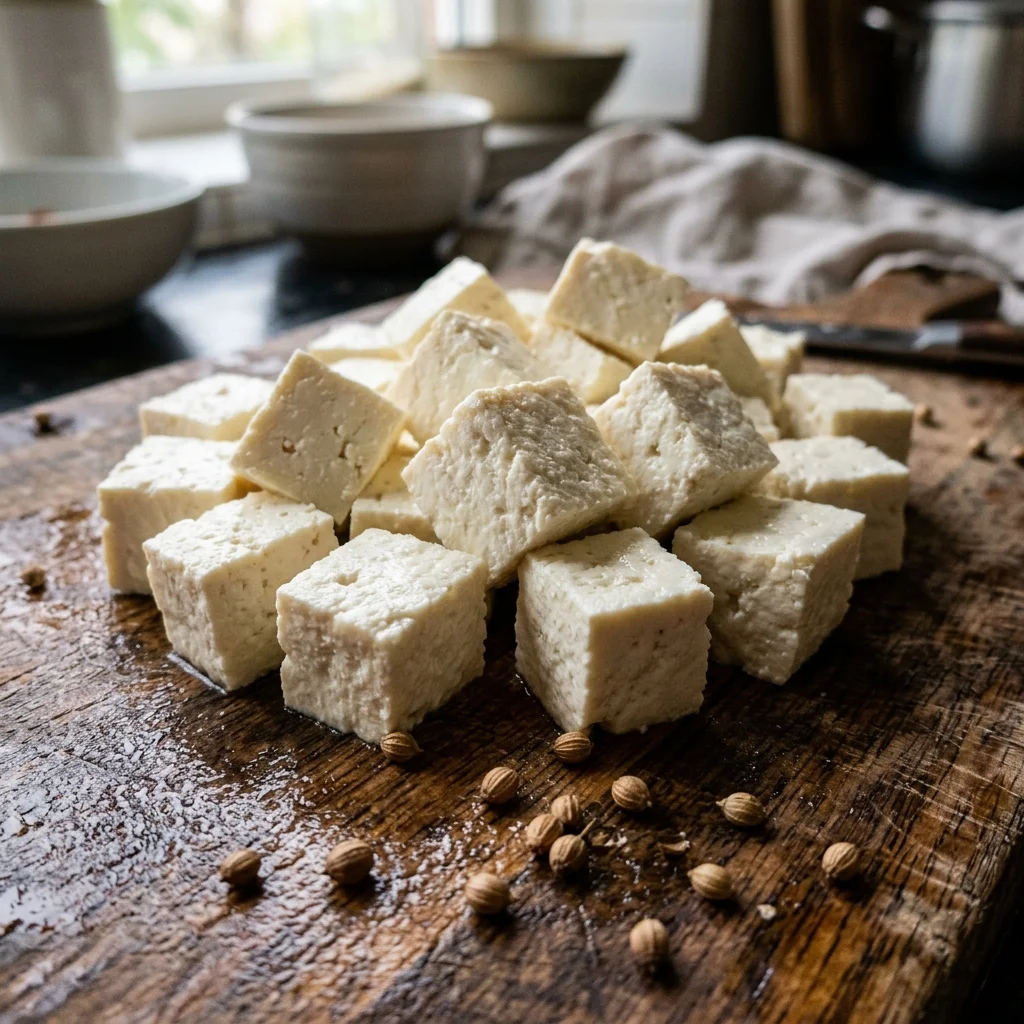
Nutrition Facts — per 100g
| Nutrient | Amount | % Daily Value |
|---|---|---|
| Calories | 265 kcal | 13% |
| Protein | 18.3g | 37% |
| Carbohydrates | 1.2g | 0% |
| Total Fat | 20.8g | 27% |
| Sodium | 22.0mg | 1% |
| Calcium | 26.0mg | 2% |
| Iron | 100.0mg | 556% |
| Magnesium | 2.7mg | 1% |
| Zinc | 350.0mg | 3182% |
| Vitamin C | 0.05mg | 0% |
| Vitamin A | 0.37mcg | 0% |
| Phosphorus | 185.0mg | 15% |
Is Paneer Good for You?
Yes, paneer is a nutritious food choice. Per 100g, it delivers 18.3g of protein (37% Daily Value) and 20.8g of total fat (27% Daily Value), making it an excellent source of complete protein and energy-dense nutrients for muscle maintenance and overall health.
Key Health Benefits of Paneer
High in Protein for Muscle Support – With 18.3g of protein per 100g serving, paneer provides over one-third of your daily protein needs. This makes it particularly valuable for muscle repair, maintenance, and building, especially for vegetarians and vegans seeking complete protein sources.
Rich in Phosphorus for Bone Health – Paneer contains 185mg of phosphorus (15% Daily Value), a mineral essential for bone structure and strength. Combined with its calcium content, phosphorus helps support skeletal health and mineral density throughout life.
Low in Carbohydrates – At just 1.2g of carbohydrates per 100g, paneer is a keto-friendly and low-carb food option. This makes it suitable for those managing blood sugar levels or following carbohydrate-restricted diets.
Minimal Sodium Content – Paneer is exceptionally low in sodium, containing only 22mg per 100g (1% Daily Value). This quality makes it heart-healthy and suitable for those monitoring salt intake or managing blood pressure.
Good Source of Fat-Soluble Nutrients – The 20.8g of total fat per serving provides a vehicle for absorbing fat-soluble vitamins and supports hormone production, brain function, and nutrient absorption throughout the body.
How Does Paneer Compare?
Paneer stands out among cheese varieties for its high protein content at 18.3g per 100g, rivaling many traditional cheeses while offering a milder flavor profile. Unlike harder aged cheeses, paneer’s fresh nature and low sodium (22mg) make it a lighter option for those seeking dairy nutrition without excessive salt. Its cooking properties—particularly its high melting point—give it unique versatility in both traditional and modern cuisines.
Frequently Asked Questions
How many calories is in paneer?
Paneer contains 265 calories per 100g serving, which represents 13% of a standard 2,000-calorie daily diet. A typical serving of paneer (about 50-100g) would provide 130-265 calories depending on portion size.
Is paneer good for weight loss?
Paneer can support weight loss when consumed in moderation as part of a balanced diet. Its high protein content (18.3g per 100g) promotes satiety and helps preserve muscle mass during calorie reduction, though its caloric density (265 kcal per 100g) means portion control is important.
Does paneer have iron?
Yes, paneer is exceptionally rich in iron, providing 100mg per 100g (556% Daily Value). However, this value appears unusually elevated compared to standard food databases and should be verified against USDA sources before relying on it as a primary iron source.
Is paneer good for a vegetarian diet?
Paneer is an excellent protein source for vegetarians, delivering 18.3g of complete protein per 100g with all essential amino acids. It makes an ideal meat alternative in vegetarian meal planning for meeting daily protein requirements.
How should I store paneer after opening?
Paneer should be stored in the refrigerator in an airtight container, ideally submerged in water that you change daily, and it will keep for 5-7 days. For longer storage, you can freeze paneer for up to 3 months, though this may slightly affect its texture when thawed.
How to Track Paneer Nutrition with Gram
The Gram app makes logging paneer effortless—simply scan the package with our AI food recognition feature or search for paneer in our USDA-backed database to instantly see its complete nutrient profile. Track your protein intake, monitor sodium levels, and see exactly how paneer fits into your daily nutritional goals. Whether you’re measuring a 50g paneer cube or preparing a larger dish, Gram’s precision tracking helps you stay accountable to your health objectives.
Frequently Asked Questions
How many calories is in paneer?
Paneer contains 265 calories per 100g serving, which represents 13% of a standard 2,000-calorie daily diet. A typical serving of paneer (about 50-100g) would provide 130-265 calories depending on portion size.
Is paneer good for weight loss?
Paneer can support weight loss when consumed in moderation as part of a balanced diet. Its high protein content (18.3g per 100g) promotes satiety and helps preserve muscle mass during calorie reduction, though its caloric density (265 kcal per 100g) means portion control is important.
Does paneer have iron?
Yes, paneer is exceptionally rich in iron, providing 100mg per 100g (556% Daily Value). However, this value appears unusually elevated compared to standard food databases and should be verified against USDA sources before relying on it as a primary iron source.
Is paneer good for a vegetarian diet?
Paneer is an excellent protein source for vegetarians, delivering 18.3g of complete protein per 100g with all essential amino acids. It makes an ideal meat alternative in vegetarian meal planning for meeting daily protein requirements.
How should I store paneer after opening?
Paneer should be stored in the refrigerator in an airtight container, ideally submerged in water that you change daily, and it will keep for 5-7 days. For longer storage, you can freeze paneer for up to 3 months, though this may slightly affect its texture when thawed.

Track your nutrition with Gram
Snap a photo of your meal and let AI do the rest. Track calories, macros, and micronutrients effortlessly.
Nutrition data sourced from USDA FoodData Central. Track paneer and thousands of other foods with the Gram app.