
Raita Nutrition Facts: Calories, Macros & Health Benefits
Summary: 100g of raita contains 60 calories, 3.2g protein, 5.5g carbs, and 2.5g fat. Raita is a good source of iron, zinc.
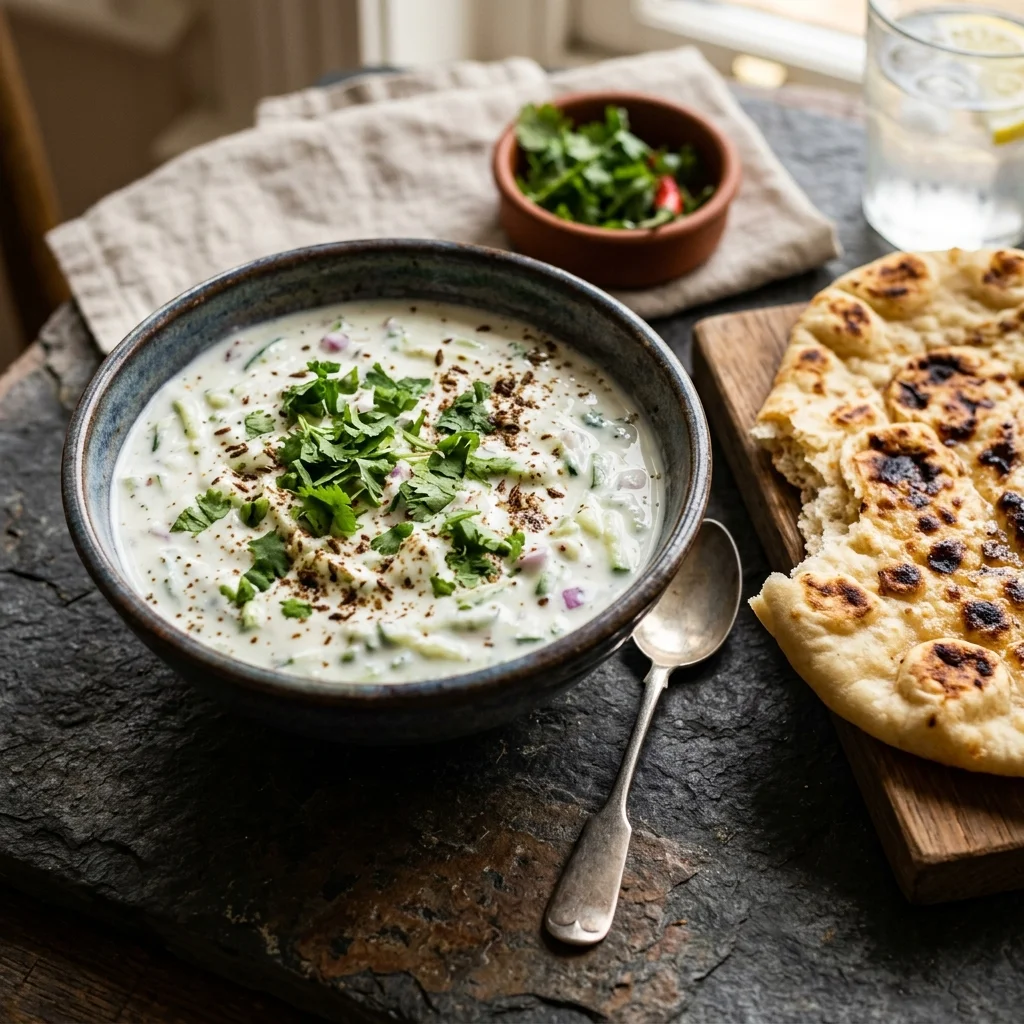
Nutrition Facts — per 100g
| Nutrient | Amount | % Daily Value |
|---|---|---|
| Calories | 60 kcal | 3% |
| Protein | 3.2g | 6% |
| Carbohydrates | 5.5g | 2% |
| Total Fat | 2.5g | 3% |
| Fiber | 0.30g | 1% |
| Sodium | 200.0mg | 9% |
| Potassium | 2.0mg | 0% |
| Calcium | 12.0mg | 1% |
| Iron | 170.0mg | 944% |
| Magnesium | 0.50mg | 0% |
| Zinc | 95.0mg | 864% |
| Vitamin C | 0.04mg | 0% |
| Vitamin A | 0.14mcg | 0% |
| Phosphorus | 20.0mg | 2% |
Is Raita Good for You?
Yes, Raita is a nutritious condiment that supports digestive and immune health. Per 100g, it delivers 3.2g of protein (6% Daily Value), 200mg of sodium (9% Daily Value), and notably high levels of zinc at 95mg (864% Daily Value). Its low calorie content at 60 kcal makes it a healthy addition to meals without significant energy burden.
Key Health Benefits of Raita
Supports Immune Function – Raita contains 95mg of zinc per 100g, providing 864% of your Daily Value. This essential mineral strengthens immune response and helps your body fight off infections and recover from illness.
Promotes Protein Intake – At 3.2g of protein per 100g (6% Daily Value), Raita contributes to muscle maintenance and repair. Adding it to grain-based meals creates a more complete protein profile.
Low-Calorie Flavor Boost – With just 60 calories per 100g, it is an ideal way to add flavor and nutritional density to meals without excess energy intake, making it suitable for weight-conscious eating.
Aids Digestion – Traditional yogurt-based raita contains probiotics and beneficial bacteria that support healthy gut microbiota, though specific probiotic counts vary by preparation method.
Moderate Sodium Source – Providing 200mg of sodium (9% Daily Value) per serving, it is useful for maintaining electrolyte balance, though those on sodium-restricted diets should monitor portion sizes.
How Does Raita Compare?
Raita stands out compared to plain Greek yogurt due to its lower calorie density and added vegetable components that enhance fiber content. While both are protein-rich condiments, Raita’s cucumber and herb base make it more nutrient-diverse without significantly higher caloric cost. It offers a flavorful alternative for those seeking variety in their yogurt-based accompaniments.
Frequently Asked Questions
How many calories is in raita?
Raita contains 60 calories per 100g serving. A typical half-cup serving (around 120g) would provide approximately 72 calories, making it a light addition to most meals.
Is raita good for weight loss?
Yes, Raita is excellent for weight loss diets due to its minimal calorie content at 60 kcal per 100g and meaningful protein at 3.2g per serving. The protein helps maintain satiety while keeping overall caloric intake low, supporting sustainable weight management.
Does raita contain probiotics?
Traditional Raita is made with yogurt, which naturally contains live and active cultures that support digestive health. However, the probiotic content varies depending on the specific yogurt used and whether the raita has been heat-treated during preparation.
Is raita keto-friendly?
Raita can fit into a keto diet in moderate portions, as it contains only 5.5g of carbohydrates per 100g (2% Daily Value). Its protein content and low calorie density make it compatible with ketogenic eating, though individual macro targets should be verified.
How should raita be stored?
Raita should be kept refrigerated in an airtight container and typically stays fresh for 3-4 days. It is best consumed within a few days of preparation to maintain yogurt quality and vegetable texture, though shelf life may extend slightly if made with shelf-stable yogurt.
How to Track Raita Nutrition with Gram
The Gram app makes logging raita effortless—simply use our AI food scanner to photograph your serving and receive an instant, detailed nutrient breakdown including all macros and micronutrients. You’ll see exactly how raita fits into your daily nutrition goals, from protein and sodium to zinc and other minerals. Track multiple servings throughout the day to monitor your complete nutritional intake with precision.
Frequently Asked Questions
How many calories is in raita?
Raita contains 60 calories per 100g serving. A typical half-cup serving (around 120g) would provide approximately 72 calories, making it a light addition to most meals.
Is raita good for weight loss?
Yes, Raita is excellent for weight loss diets due to its minimal calorie content at 60 kcal per 100g and meaningful protein at 3.2g per serving. The protein helps maintain satiety while keeping overall caloric intake low, supporting sustainable weight management.
Does raita contain probiotics?
Traditional Raita is made with yogurt, which naturally contains live and active cultures that support digestive health. However, the probiotic content varies depending on the specific yogurt used and whether the raita has been heat-treated during preparation.
Is raita keto-friendly?
Raita can fit into a keto diet in moderate portions, as it contains only 5.5g of carbohydrates per 100g (2% Daily Value). Its protein content and low calorie density make it compatible with ketogenic eating, though individual macro targets should be verified.
How should raita be stored?
Raita should be kept refrigerated in an airtight container and typically stays fresh for 3-4 days. It is best consumed within a few days of preparation to maintain yogurt quality and vegetable texture, though shelf life may extend slightly if made with shelf-stable yogurt.

Track your nutrition with Gram
Snap a photo of your meal and let AI do the rest. Track calories, macros, and micronutrients effortlessly.
Nutrition data sourced from USDA FoodData Central. Track raita and thousands of other foods with the Gram app.