
Rice Nutrition Facts: Calories, Macros & Health Benefits
Summary: 100g of rice contains 130 calories, 2.7g protein, 28.2g carbs, and 0.3g fat. Rice is a good source of essential vitamins and minerals.
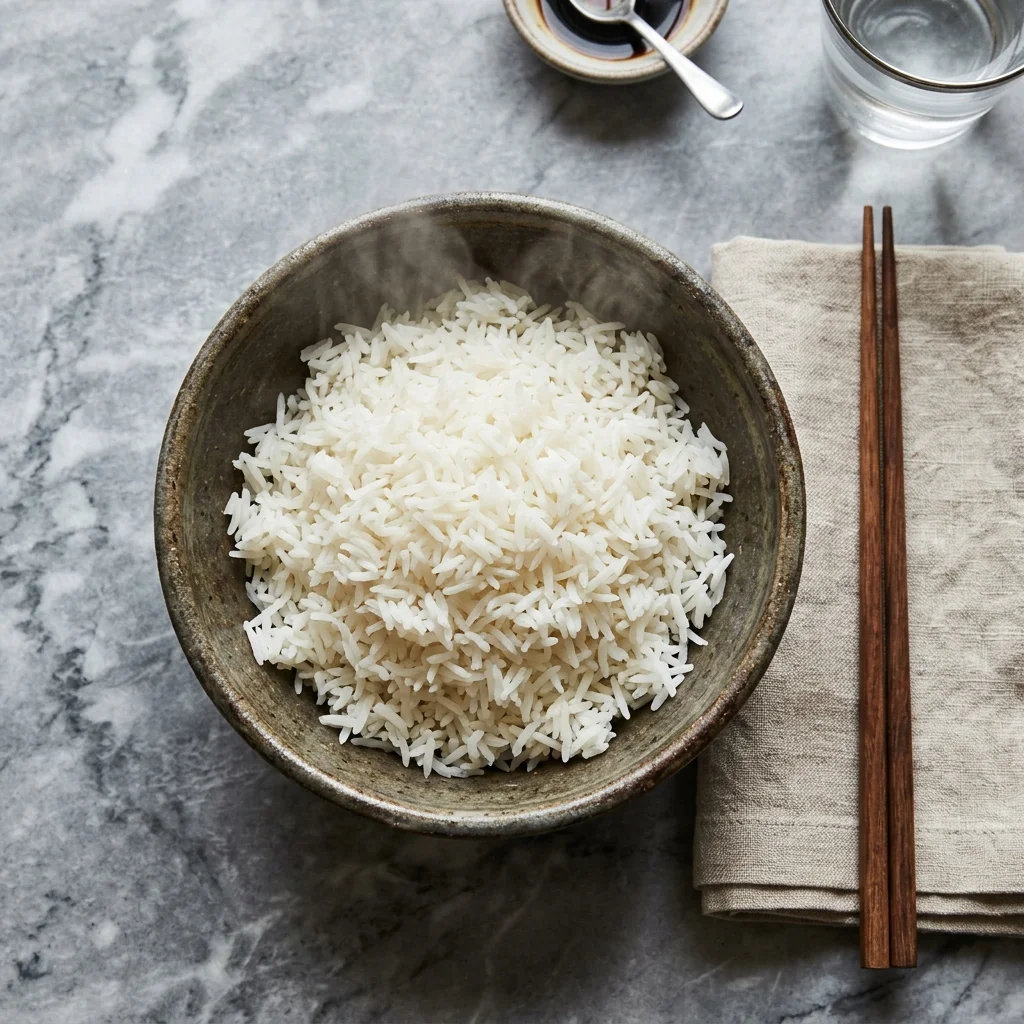
Nutrition Facts — per 100g
| Nutrient | Amount | % Daily Value |
|---|---|---|
| Calories | 130 kcal | 6% |
| Protein | 2.7g | 5% |
| Carbohydrates | 28.2g | 10% |
| Total Fat | 0.30g | 0% |
| Fiber | 0.40g | 1% |
| Sodium | 1.0mg | 0% |
Is Rice Good for You?
Yes, rice is good for you as a low-fat carbohydrate source that provides sustained energy. A 100g serving delivers 28.2g of carbohydrates (10% Daily Value) with minimal fat at just 0.3g, plus 2.7g of protein (5% Daily Value). It is also naturally low in sodium at 1mg per serving, making it heart-friendly.
Key Health Benefits of Rice
Energy and carbohydrates: With 28.2g of carbohydrates per 100g serving, rice is an excellent source of fuel for your brain and muscles, supporting daily activities and athletic performance.
Low fat content: At only 0.3g of fat per 100g, rice is a lean grain choice that fits well into heart-healthy diets without contributing significantly to daily fat intake.
Sodium-free base: Containing just 1mg of sodium, it is an ideal foundation for meals where you control salt content, supporting blood pressure management and cardiovascular health.
Light protein contribution: Although modest at 2.7g per 100g, the protein in rice complements other protein sources throughout your day and supports muscle maintenance.
Digestible carbs for blood sugar: Rice provides accessible carbohydrates that can be part of balanced meals, especially when paired with fiber-rich vegetables and protein sources.
How Does Rice Compare?
Rice stands out among grains for its minimal sodium content (1mg per 100g) compared to many processed grain alternatives. While it is lower in fiber (0.4g) than whole grain options like oats or quinoa, it is often more easily digestible and versatile in global cuisines. Its clean nutrient profile—nearly fat-free with no sodium—makes it a neutral canvas for nutrient-dense toppings and sauces.
Frequently Asked Questions
How many calories is in rice?
A 100g serving of rice contains 130 calories, which represents 7% of a typical 2,000-calorie daily diet. This modest calorie count makes it easy to portion into meals without excessive energy intake.
Is rice good for weight loss?
Rice can support weight loss when eaten in controlled portions as part of a balanced diet. Its low fat content (0.3g per 100g) and ability to pair with high-protein and high-fiber foods make it a practical grain choice for weight management.
How much protein does rice contain?
Rice provides 2.7g of protein per 100g serving, which covers 5% of the Daily Value. While not a primary protein source on its own, it is effective when combined with legumes, fish, poultry, or other protein-rich foods.
Is rice gluten-free?
Yes, rice is naturally gluten-free, making it is a safe and nutritious grain option for people with celiac disease or gluten sensitivity. It is one of the most widely tolerated grains globally.
How should I store rice to keep it fresh?
Store uncooked rice in an airtight container in a cool, dry place where it will remain fresh for months or even years. Cooked rice should be refrigerated in an airtight container and consumed within 3-4 days, or frozen for longer storage.
How to Track Rice Nutrition with Gram
The Gram app makes logging rice effortless—simply scan the package with your phone’s camera or search the food database to instantly see the complete nutritional breakdown. You’ll track calories, carbohydrates, protein, fat, fiber, and sodium all in one place, helping you understand exactly how rice fits into your daily nutrition goals. Whether you’re measuring a cup of cooked rice or weighing 100g, Gram adjusts the values automatically so you always have accurate data.
Frequently Asked Questions
How many calories is in rice?
A 100g serving of rice contains 130 calories, which represents 7% of a typical 2,000-calorie daily diet. This modest calorie count makes it easy to portion into meals without excessive energy intake.
Is rice good for weight loss?
Rice can support weight loss when eaten in controlled portions as part of a balanced diet. Its low fat content (0.3g per 100g) and ability to pair with high-protein and high-fiber foods make it a practical grain choice for weight management.
How much protein does rice contain?
Rice provides 2.7g of protein per 100g serving, which covers 5% of the Daily Value. While not a primary protein source on its own, it is effective when combined with legumes, fish, poultry, or other protein-rich foods.
Is rice gluten-free?
Yes, rice is naturally gluten-free, making it is a safe and nutritious grain option for people with celiac disease or gluten sensitivity. It is one of the most widely tolerated grains globally.
How should I store rice to keep it fresh?
Store uncooked rice in an airtight container in a cool, dry place where it will remain fresh for months or even years. Cooked rice should be refrigerated in an airtight container and consumed within 3-4 days, or frozen for longer storage.
Track your nutrition with Gram
Snap a photo of your meal and let AI do the rest. Track calories, macros, and micronutrients effortlessly.
Nutrition data sourced from USDA FoodData Central. Track rice and thousands of other foods with the Gram app.