
Saffron Nutrition Facts: Calories, Macros & Health Benefits
Summary: 100g of saffron contains 310 calories, 11.4g protein, 65.4g carbs, and 5.9g fat. Saffron is a good source of essential vitamins and minerals.
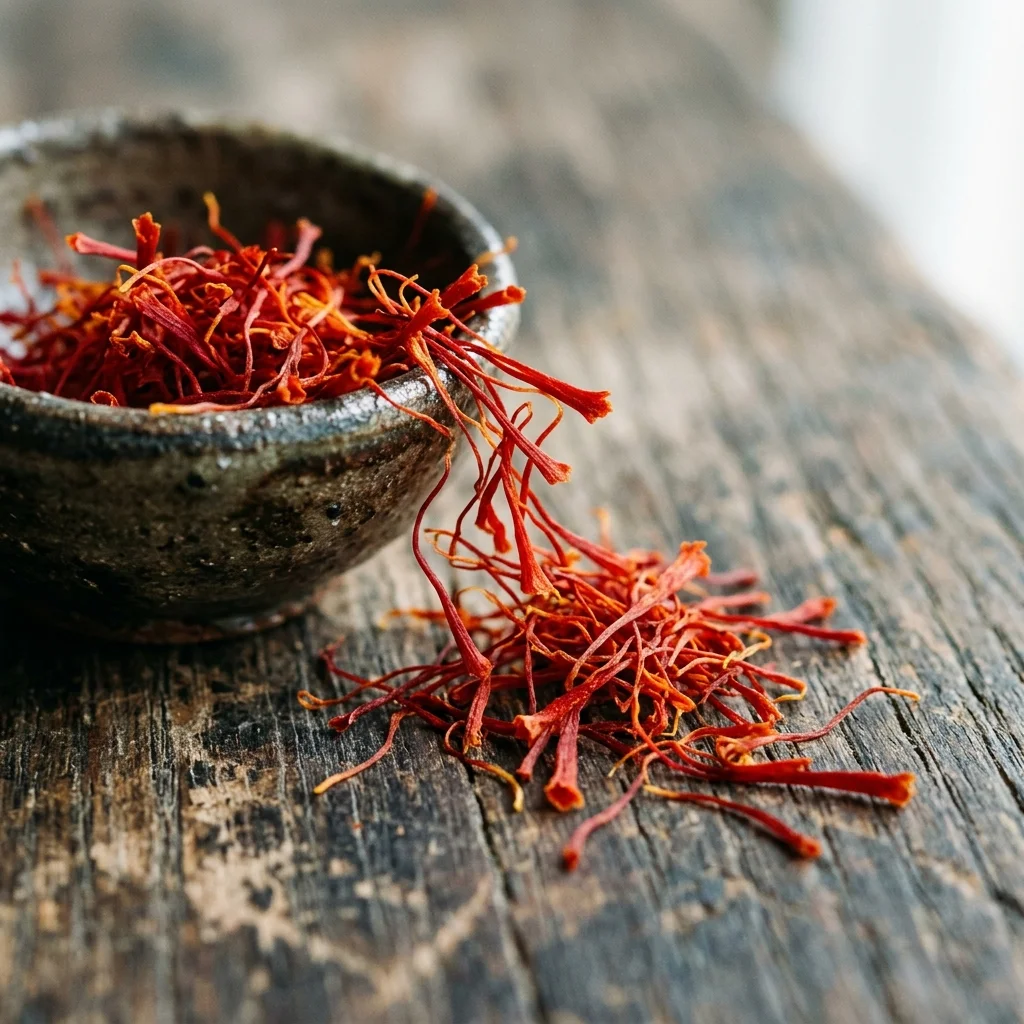
Nutrition Facts — per 100g
| Nutrient | Amount | % Daily Value |
|---|---|---|
| Calories | 310 kcal | 16% |
| Protein | 11.4g | 23% |
| Carbohydrates | 65.4g | 24% |
| Total Fat | 5.9g | 8% |
| Fiber | 3.9g | 14% |
| Sodium | 148.0mg | 6% |
Is Saffron Good for You?
Yes, saffron is nutritionally dense and offers meaningful health benefits. Per 100g, it delivers 11.4g of protein (23% Daily Value), 65.4g of carbohydrates (24% Daily Value), and 3.9g of fiber (14% Daily Value), making it a concentrated source of macronutrients and plant compounds that support overall wellness.
Key Health Benefits of Saffron
High in protein for muscle support — With 11.4g of protein per 100g, saffron contributes significantly to daily protein needs, supporting muscle maintenance and repair in a plant-based form.
Rich in carbohydrates for sustained energy — The 65.4g of carbohydrates per 100g makes saffron an excellent energy source, particularly valuable for athletes or active individuals seeking complex carbs.
Good source of dietary fiber — Containing 3.9g of fiber per 100g, saffron promotes digestive health and helps maintain stable blood sugar levels throughout the day.
Low sodium content — At just 148mg of sodium per 100g (6% Daily Value), saffron is a heart-friendly seasoning choice that won’t contribute excess salt to your diet.
Minimal fat with beneficial compounds — The 5.9g of total fat per 100g is relatively low, and saffron’s unique compounds like crocin and safranal have been studied for potential anti-inflammatory and antioxidant properties.
How Does Saffron Compare?
Saffron stands out among spices for its exceptional protein content at 11.4g per 100g—significantly higher than most other culinary herbs and spices. While turmeric and cumin are also nutrient-dense, saffron’s combination of protein, fiber, and carbohydrates makes it uniquely nutrient-rich for its weight. Its low sodium profile also gives it an edge over many seasoning blends.
Frequently Asked Questions
How many calories is in saffron?
Saffron contains 310 calories per 100g, which represents 16% of a standard 2,000-calorie daily diet. However, saffron is typically used in very small amounts—just a pinch or a few threads—so the actual caloric contribution per serving is minimal.
Is saffron good for weight loss?
Saffron can be part of a weight-loss diet because it’s calorie-sparse when used in typical cooking amounts and provides fiber (3.9g per 100g) that supports satiety. Additionally, some research suggests compounds in saffron may have mood-supporting properties, which can help reduce emotional eating.
How much protein does saffron contain?
Saffron provides 11.4g of protein per 100g, delivering 23% of the Daily Value. This makes it one of the most protein-rich spices available, though you’d need to consume substantial quantities to meet daily protein requirements solely through saffron.
Is saffron suitable for vegan and gluten-free diets?
Yes, saffron is naturally vegan and gluten-free, making it an excellent seasoning choice for those following plant-based or gluten-free dietary patterns. It’s a pure spice derived from the crocus flower with no animal products or gluten-containing additives.
How should I store saffron to preserve its nutrition?
Keep saffron in an airtight container away from direct sunlight, heat, and moisture to preserve its vibrant color, flavor, and nutritional compounds. Stored properly in a cool, dark place, saffron can maintain its quality for several years, ensuring you get the maximum nutritional benefit each time you use it.
How to Track Saffron Nutrition with Gram
Logging saffron with the Gram app makes it simple to see exactly how this nutrient-dense spice fits into your daily macro and micronutrient targets. Use the app’s AI food scanner to quickly identify saffron in your meals, and you’ll get an instant breakdown of all 310 calories, 11.4g protein, and other nutrients per serving. Whether you’re tracking for weight management, athletic performance, or general wellness, Gram gives you the detailed insights you need to make informed nutritional choices.
Frequently Asked Questions
How many calories is in saffron?
Saffron contains 310 calories per 100g, which represents 16% of a standard 2,000-calorie daily diet. However, saffron is typically used in very small amounts—just a pinch or a few threads—so the actual caloric contribution per serving is minimal.
Is saffron good for weight loss?
Saffron can be part of a weight-loss diet because it's calorie-sparse when used in typical cooking amounts and provides fiber (3.9g per 100g) that supports satiety. Additionally, some research suggests compounds in saffron may have mood-supporting properties, which can help reduce emotional eating.
How much protein does saffron contain?
Saffron provides 11.4g of protein per 100g, delivering 23% of the Daily Value. This makes it one of the most protein-rich spices available, though you'd need to consume substantial quantities to meet daily protein requirements solely through saffron.
Is saffron suitable for vegan and gluten-free diets?
Yes, saffron is naturally vegan and gluten-free, making it an excellent seasoning choice for those following plant-based or gluten-free dietary patterns. It's a pure spice derived from the crocus flower with no animal products or gluten-containing additives.
How should I store saffron to preserve its nutrition?
Keep saffron in an airtight container away from direct sunlight, heat, and moisture to preserve its vibrant color, flavor, and nutritional compounds. Stored properly in a cool, dark place, saffron can maintain its quality for several years, ensuring you get the maximum nutritional benefit each time you use it.

Track your nutrition with Gram
Snap a photo of your meal and let AI do the rest. Track calories, macros, and micronutrients effortlessly.
Nutrition data sourced from USDA FoodData Central. Track saffron and thousands of other foods with the Gram app.