
Stir Fried Noodles Nutrition Facts: Calories, Macros & Health Benefits
Summary: 100g of stir fried noodles contains 180 calories, 5.2g protein, 27g carbs, and 5.8g fat. Stir Fried Noodles are a good source of sodium.
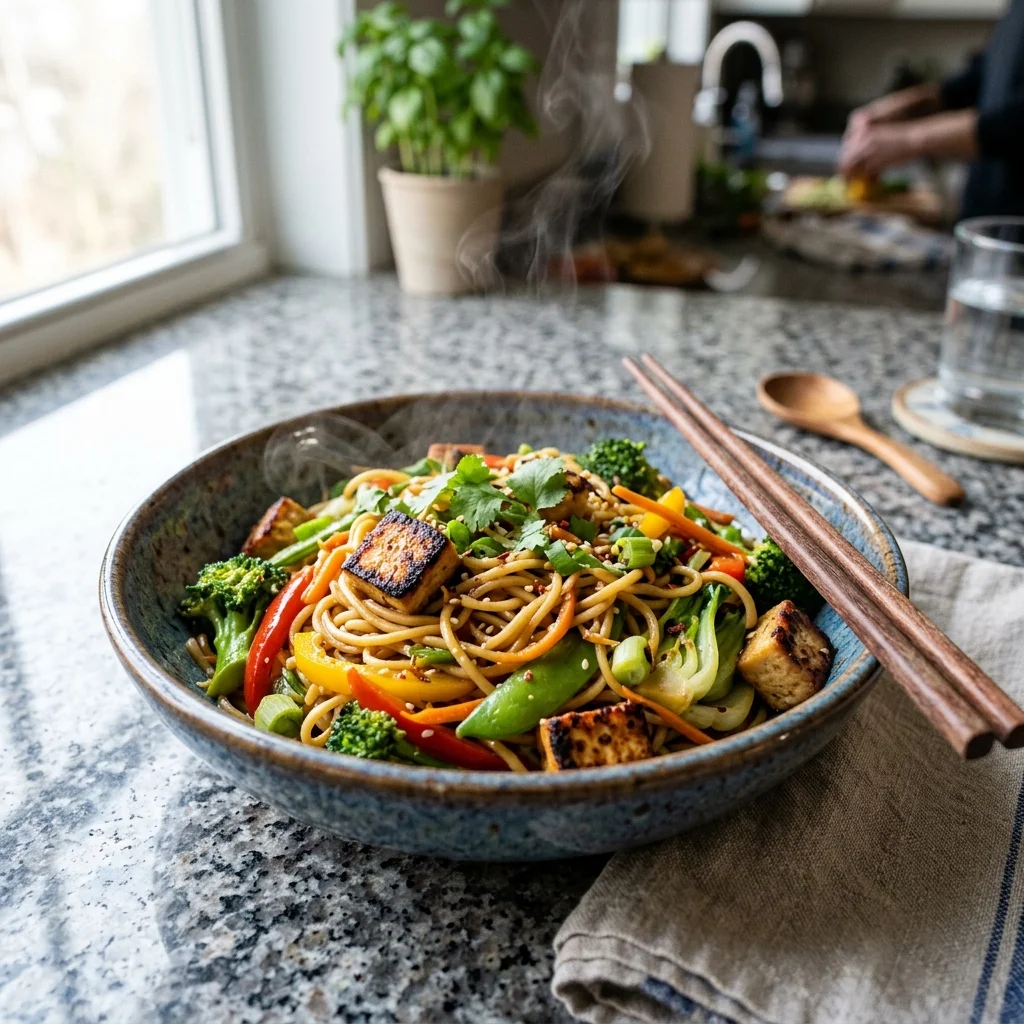
Nutrition Facts — per 100g
| Nutrient | Amount | % Daily Value |
|---|---|---|
| Calories | 180 kcal | 9% |
| Protein | 5.2g | 10% |
| Carbohydrates | 27.0g | 10% |
| Total Fat | 5.8g | 7% |
| Fiber | 1.8g | 6% |
| Sodium | 320.0mg | 14% |
Are Stir Fried Noodles Good for You?
Stir Fried Noodles are a moderate source of energy and protein, providing 180 calories and 5.2g of protein per 100g serving. They deliver 27g of carbohydrates (10% Daily Value) for sustained energy, though they’re relatively high in sodium at 320mg (14% Daily Value). When prepared with vegetables and lean proteins, they are a reasonable choice for a balanced meal.
Key Health Benefits of Stir Fried Noodles
Energy for Daily Activities: At 180 calories per 100g, Stir Fried Noodles are an efficient carbohydrate source that fuels your body without excessive calorie density. This makes them suitable for active individuals who need sustained energy throughout the day.
Protein Support for Muscle Maintenance: Each 100g serving contains 5.2g of protein (10% Daily Value), contributing to muscle repair and satiety. While not a primary protein source, they are a meaningful addition when paired with meat, tofu, or legumes.
Dietary Fiber for Digestive Health: Stir Fried Noodles provide 1.8g of fiber per 100g serving, supporting digestive function and promoting healthy gut bacteria. This modest fiber content aids in maintaining regular digestion when combined with vegetable-rich preparations.
Carbohydrate-Rich for Endurance: With 27g of carbohydrates per 100g, they are nutrient-dense in complex carbs that provide sustained energy release. Athletes and physically active people benefit from this carbohydrate profile during or after workouts.
Low Fat Profile: At just 5.8g of total fat (7% Daily Value) per 100g, Stir Fried Noodles are relatively lean compared to fried alternatives. This lower fat content makes them heart-friendly when prepared with minimal oil.
How Does Stir Fried Noodles Compare?
Stir Fried Noodles are considerably lower in sodium than many instant ramen varieties, which often exceed 800mg per serving. Compared to fried rice, they typically contain less fat while maintaining similar carbohydrate levels, making them a lighter option for those watching their fat intake. Their balanced 5.2g protein per 100g also edges out plain white rice, offering more amino acid support.
Frequently Asked Questions
How many calories are in stir fried noodles?
Stir Fried Noodles contain 180 calories per 100g serving, or approximately 9% of a standard 2,000 calorie daily diet. A typical restaurant portion (250g) would provide around 450 calories, though this varies based on oil and sauce used in preparation.
Are stir fried noodles good for weight loss?
Stir Fried Noodles can fit into a weight loss plan when portion-controlled and prepared with minimal oil and high vegetable content. Their moderate calorie density (180 kcal/100g) and 5.2g protein per serving help promote satiety, though pairing them with lean proteins and vegetables maximizes their nutritional benefit for weight management.
How much sodium do stir fried noodles contain?
Stir Fried Noodles contain 320mg of sodium per 100g (14% Daily Value), which is moderate but noticeable for those monitoring salt intake. To reduce sodium, use low-sodium soy sauce and fresh ingredients rather than pre-made sauce packets when preparing them at home.
Are stir fried noodles suitable for a gluten-free diet?
Traditional Stir Fried Noodles made with wheat noodles are not gluten-free, but they are easily adapted using rice noodles or certified gluten-free noodle alternatives. Always verify ingredients and sauces when ordering from restaurants, as soy sauce and other seasonings may contain gluten.
How should you store leftover stir fried noodles?
Leftover Stir Fried Noodles should be stored in an airtight container in the refrigerator for up to 3-4 days. For best texture and food safety, cool them to room temperature before refrigerating, and reheat gently in a wok or microwave with a splash of water to restore moisture.
How to Track Stir Fried Noodles Nutrition with Gram
Logging Stir Fried Noodles into the Gram app is simple—just snap a photo of your meal, and the AI food scanner instantly recognizes your portion and pulls the complete nutrient breakdown. You’ll see all macronutrients and micronutrients at a glance, making it easy to track how Stir Fried Noodles fit into your daily nutrition goals. With consistent logging, you can identify patterns in your eating habits and make informed adjustments to optimize your diet.
Frequently Asked Questions
How many calories are in stir fried noodles?
Stir Fried Noodles contain 180 calories per 100g serving, or approximately 9% of a standard 2,000 calorie daily diet. A typical restaurant portion (250g) would provide around 450 calories, though this varies based on oil and sauce used in preparation.
Are stir fried noodles good for weight loss?
Stir Fried Noodles can fit into a weight loss plan when portion-controlled and prepared with minimal oil and high vegetable content. Their moderate calorie density (180 kcal/100g) and 5.2g protein per serving help promote satiety, though pairing them with lean proteins and vegetables maximizes their nutritional benefit for weight management.
How much sodium do stir fried noodles contain?
Stir Fried Noodles contain 320mg of sodium per 100g (14% Daily Value), which is moderate but noticeable for those monitoring salt intake. To reduce sodium, use low-sodium soy sauce and fresh ingredients rather than pre-made sauce packets when preparing them at home.
Are stir fried noodles suitable for a gluten-free diet?
Traditional Stir Fried Noodles made with wheat noodles are not gluten-free, but they are easily adapted using rice noodles or certified gluten-free noodle alternatives. Always verify ingredients and sauces when ordering from restaurants, as soy sauce and other seasonings may contain gluten.
How should you store leftover stir fried noodles?
Leftover Stir Fried Noodles should be stored in an airtight container in the refrigerator for up to 3-4 days. For best texture and food safety, cool them to room temperature before refrigerating, and reheat gently in a wok or microwave with a splash of water to restore moisture.

Track your nutrition with Gram
Snap a photo of your meal and let AI do the rest. Track calories, macros, and micronutrients effortlessly.
Nutrition data sourced from USDA FoodData Central. Track stir fried noodles and thousands of other foods with the Gram app.