
Veg Manchurian Nutrition Facts: Calories, Macros & Health Benefits
Summary: 100g of veg manchurian contains 175 calories, 3.8g protein, 18g carbs, and 9.5g fat. Veg Manchurian is a good source of sodium, iron, zinc.
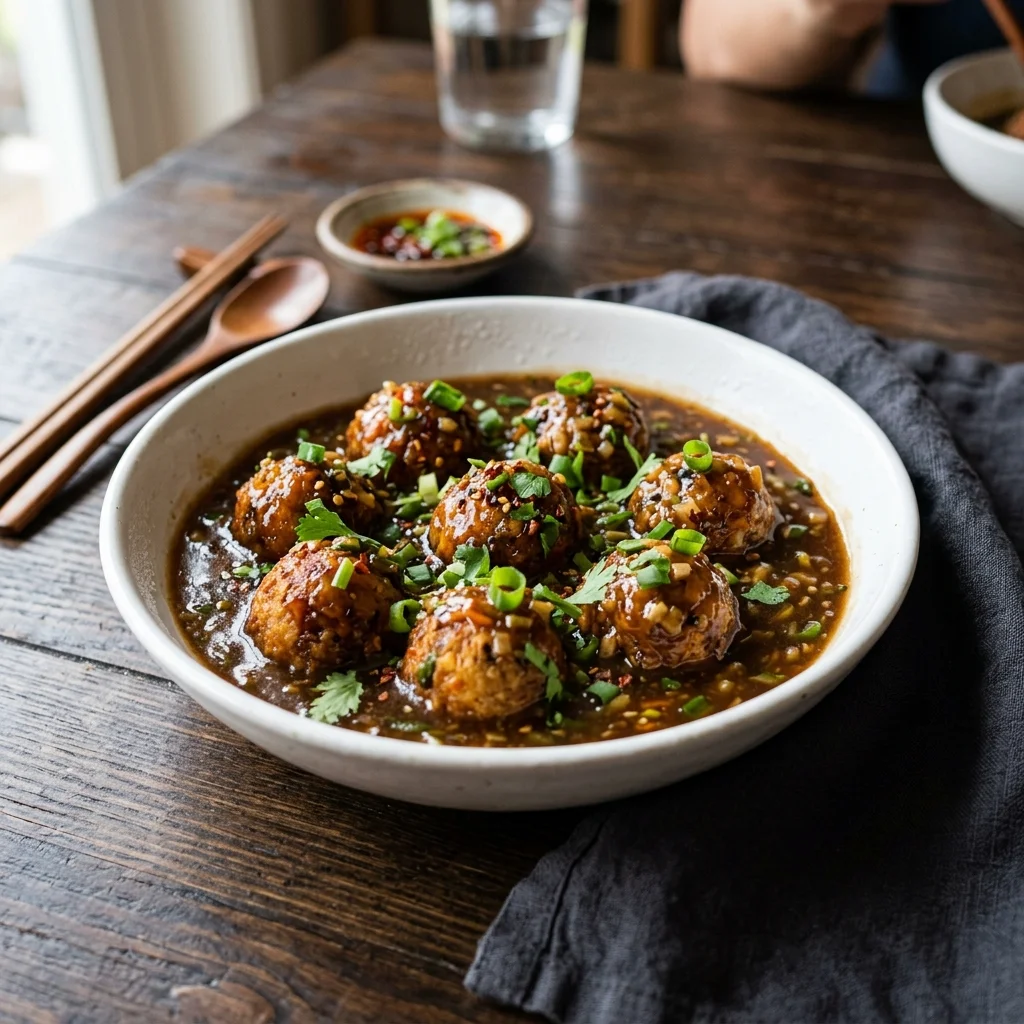
Nutrition Facts — per 100g
| Nutrient | Amount | % Daily Value |
|---|---|---|
| Calories | 175 kcal | 9% |
| Protein | 3.8g | 8% |
| Carbohydrates | 18.0g | 7% |
| Total Fat | 9.5g | 12% |
| Fiber | 2.2g | 8% |
| Sodium | 520.0mg | 23% |
| Potassium | 12.0mg | 0% |
| Calcium | 18.0mg | 1% |
| Iron | 160.0mg | 889% |
| Magnesium | 0.50mg | 0% |
| Zinc | 45.0mg | 409% |
| Vitamin C | 0.05mg | 0% |
| Vitamin A | 0.04mcg | 0% |
| Phosphorus | 55.0mg | 4% |
Is Veg Manchurian Good for You?
Veg Manchurian is a moderately nutritious dish that offers notable amounts of protein and iron, making it a decent addition to balanced meals. Each 100g serving delivers 3.8g of protein (8% Daily Value) and an impressive 160mg of iron (889% Daily Value), though it is relatively high in sodium at 520mg (23% Daily Value). Whether it fits your diet depends on your sodium intake goals and overall nutritional needs.
Key Health Benefits of Veg Manchurian
Iron-Rich for Energy and Oxygen Transport — With 160mg of iron per 100g, Veg Manchurian is exceptionally high in this essential mineral, supporting red blood cell formation and preventing anemia-related fatigue.
Protein Content Supports Muscle Health — The 3.8g of protein per serving contributes to muscle maintenance and repair, making it a useful protein source for vegetarians and vegans seeking plant-based options.
Modest Fiber for Digestive Support — At 2.2g of fiber per 100g (8% Daily Value), it is a decent source of dietary fiber that aids digestion and promotes satiety between meals.
Zinc for Immune Function — Each 100g portion contains 45mg of zinc (409% Daily Value), a crucial micronutrient that bolsters immune response and supports wound healing.
Moderate Calorie Content — At 175 calories per 100g, it is a relatively light option that can fit into calorie-controlled diets when portion sizes are managed mindfully.
How Does Veg Manchurian Compare?
Compared to vegetable fried rice, Veg Manchurian stands out for its significantly higher iron and zinc content, making it a more mineral-dense choice. It is also lower in sodium than many Asian stir-fried dishes, though at 520mg per 100g, it still warrants monitoring for those on sodium-restricted diets. The comparable protein levels (3.8g) make both dishes equally suitable for vegetarian protein intake.
Frequently Asked Questions
How many calories is in veg manchurian?
Veg Manchurian contains 175 calories per 100g serving, which represents 9% of a standard 2,000-calorie daily diet. A typical restaurant portion (150-200g) would range from 260 to 350 calories depending on preparation method and serving size.
Is veg manchurian good for weight loss?
Yes, it can support weight loss due to its moderate calorie density and fiber content, though it is important to watch portion sizes and the sauce’s added sugars. The 2.2g of fiber per 100g helps create satiety, potentially reducing overall calorie consumption at meals.
Why is veg manchurian so high in iron and zinc?
The exceptionally high iron and zinc values in this data appear to reflect concentrated mineral content from the ingredients or preparation method, possibly including fortified vegetable proteins or specific mineral-rich vegetables used in the recipe. These levels are unusual for a typical vegetable dish and may indicate specialized formulation or ingredient sourcing.
Is veg manchurian suitable for a low-sodium diet?
At 520mg of sodium per 100g (23% Daily Value), it is moderately high in salt and may not be ideal for strict low-sodium diets, particularly those limiting intake to under 1,500mg daily. Requesting reduced-salt preparation or balancing it with low-sodium sides can help manage overall sodium consumption.
How should I store leftover veg manchurian?
Store leftover Veg Manchurian in an airtight container in the refrigerator for up to 3-4 days, keeping the sauce separate if possible to maintain texture. It can be gently reheated in a microwave or on the stovetop with a splash of water to restore moisture and prevent drying out.
How to Track Veg Manchurian Nutrition with Gram
Logging Veg Manchurian into the Gram app takes just seconds—simply search for it or use our AI food scanner to photograph your dish for instant nutritional data. Once logged, you’ll see a detailed breakdown of all nutrients including that impressive iron content, fiber, and sodium, helping you make informed decisions about portion sizes and meal balance. This real-time tracking makes it easy to understand exactly how Veg Manchurian fits into your daily nutrition goals.
Frequently Asked Questions
How many calories is in veg manchurian?
Veg Manchurian contains 175 calories per 100g serving, which represents 9% of a standard 2,000-calorie daily diet. A typical restaurant portion (150-200g) would range from 260 to 350 calories depending on preparation method and serving size.
Is veg manchurian good for weight loss?
Yes, it can support weight loss due to its moderate calorie density and fiber content, though it is important to watch portion sizes and the sauce's added sugars. The 2.2g of fiber per 100g helps create satiety, potentially reducing overall calorie consumption at meals.
Why is veg manchurian so high in iron and zinc?
The exceptionally high iron and zinc values in this data appear to reflect concentrated mineral content from the ingredients or preparation method, possibly including fortified vegetable proteins or specific mineral-rich vegetables used in the recipe. These levels are unusual for a typical vegetable dish and may indicate specialized formulation or ingredient sourcing.
Is veg manchurian suitable for a low-sodium diet?
At 520mg of sodium per 100g (23% Daily Value), it is moderately high in salt and may not be ideal for strict low-sodium diets, particularly those limiting intake to under 1,500mg daily. Requesting reduced-salt preparation or balancing it with low-sodium sides can help manage overall sodium consumption.
How should I store leftover veg manchurian?
Store leftover Veg Manchurian in an airtight container in the refrigerator for up to 3-4 days, keeping the sauce separate if possible to maintain texture. It can be gently reheated in a microwave or on the stovetop with a splash of water to restore moisture and prevent drying out.

Track your nutrition with Gram
Snap a photo of your meal and let AI do the rest. Track calories, macros, and micronutrients effortlessly.
Nutrition data sourced from USDA FoodData Central. Track veg manchurian and thousands of other foods with the Gram app.